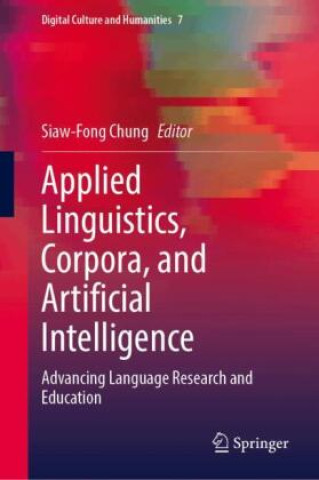
This book brings together perspectives from applied linguistics, corpus linguistics, language education, and artificial intelligence to examine how digital technologies are reshaping language learning, teaching, and linguistic research. Through a critical exploration of AI-mediated learning, corpus-informed inquiry, digital literacy, and language in digital media, it considers both the opportunities and challenges presented by contemporary technologies.
Integrating theoretical perspectives with empirical case studies, the chapters demonstrate how online corpora, generative AI, and other digital resources support linguistic inquiry, educational practice, and critical engagement. Rather than treating AI and digital tools merely as instructional technologies, the volume explores their broader implications for learning, research, literacy, and knowledge construction in digitally mediated environments. It highlights the complementary relationship between corpus-informed evidence and AI-driven methodologies, showing how both contribute to contemporary language research while reinforcing the importance of human judgment, critical interpretation, and responsible AI use. The volume also emphasizes AI literacy as a reflective practice that enables learners, educators, and researchers to engage thoughtfully with rapidly evolving digital environments.
Relevant to linguists, language educators, educational researchers, digital humanities scholars, and researchers interested in AI and language, this book provides both conceptual foundations and practical applications for understanding how artificial intelligence and digital technologies are transforming language education, linguistic research, and communication in the digital age.