You have walked into a house where people had been fighting. Nobody said a word. You knew before you crossed the room, and you were right.
Everyone has done this. Almost nobody can say how.
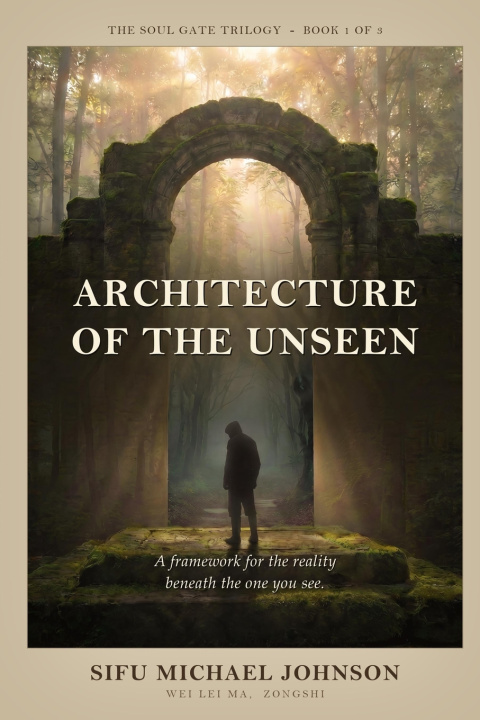
This is a book about the layer of ordinary life everyone moves through and nobody was taught to describe. Why a room holds what happened in it. Why belief edits the world before you get to see it. How grief and shame and rage collect in families, and in whole countries, until they start behaving like something with an appetite of their own. Why a conversation flattens one person for three days and the man standing beside them forgets it by lunch.
It asks you to believe nothing.
Everything in these pages runs on nervous systems, attention, memory, and the patterns that build up around a person over years. The mechanisms a neuroscientist would name, described by someone who has spent thirty-five years watching them work from the floor of a training hall. Where the evidence stops, the book says so, in the sentence where it stops.
You will find out what an emotional field is and why yours is not private. What trauma does to the structure of a person, told without the softened definition the word has since picked up. Why the people who read a room fastest are so often the people who once had to. And what it costs to spend a life feeling more than you can account for and being told you imagined it.
Read it as practical psychology and it will still change how you walk into a room.
The first of three volumes. This one is the ground floor, and it was built so that you can stop here.