What was Auschwitz and how was it possible?
Behind barbed wire and guarded gates stood not just a prison, but a system. A place where bureaucracy, ideology, and human lives collided with devastating precision.
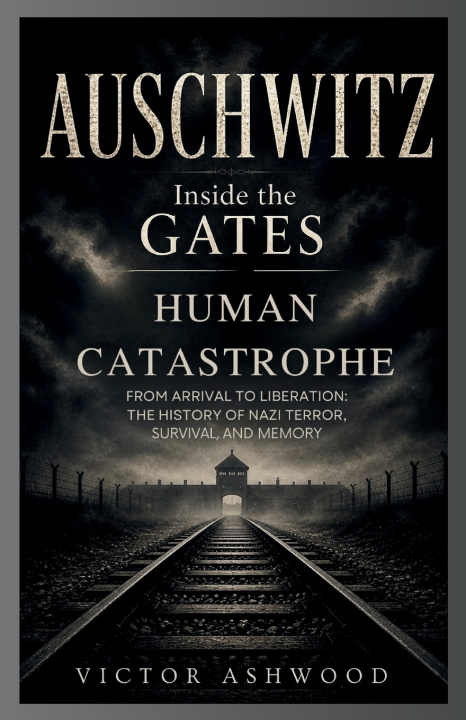
Auschwitz: Inside the Gates of Human Catastrophe takes you beyond the surface of history and into the inner workings of one of the most documented and disturbing systems of the twentieth century.
From the moment deportation trains arrived, to the decisions made on the selection ramp, to the machinery that sustained daily life and death inside the camp, this book follows the full arc of Auschwitz with clarity and depth. It traces how the camp evolved, how it functioned, and how individuals experienced it both as victims and as survivors.
Through a carefully constructed narrative grounded in historical research, this book explores:
The creation and expansion of Auschwitz within Nazi-occupied Europe
The transport system that brought prisoners from across the continent
Life inside the camp: hunger, labor, violence, and survival
The role of gas chambers and crematoria within the system
Resistance, defiance, and the limits of control
The death marches and the collapse of the camp
Liberation and the world's first encounter with what remained
The trials, testimonies, and the long process of reckoning
The lasting legacy of Auschwitz in memory, history, and modern thought
Written for general readers, this book avoids unnecessary complexity while preserving historical accuracy and depth. It does not sensationalize, but it does not look away.
This is not only a history of a place, but an examination of how such a place could exist-and what it continues to mean.
For readers of World War II history, Holocaust studies, and powerful true accounts, this is a work that informs, challenges, and endures.