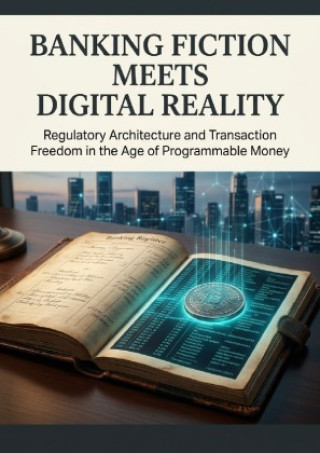
The transition from analog banking to programmable currency is not a technological upgrade-it is a fundamental restructuring of transactional sovereignty. Digital currencies introduce a layer of conditional logic into money itself, transforming every payment into a potential enforcement mechanism.This shift redefines the relationship between central banks, commercial intermediaries, and individual autonomy. When currency can be programmed to expire, restrict usage, or enforce compliance at the protocol level, the nature of economic freedom changes. The architecture of digital money systems determines who controls the conditions under which value can be transferred, stored, or destroyed.Regulatory frameworks are being written now, often without public debate about their long-term implications. The choice is not between innovation and stability, but between transparent governance of programmable money and opaque control embedded in financial infrastructure. For businesses operating across jurisdictions, understanding these emerging constraints is not optional-it is structural intelligence.