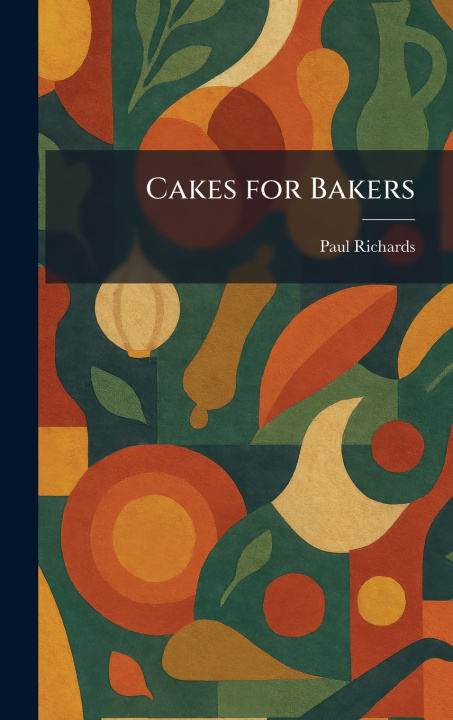
"Cakes for Bakers" is an essential manual for the professional confectioner and the dedicated home baker alike. Written by culinary expert Paul Richards, this work provides a deep dive into the art and science of cake making as it was mastered during a golden age of professional baking. The book covers a vast array of recipes ranging from simple sponge cakes and pound cakes to elaborate tiered creations and festive holiday treats.
Richards offers detailed instructions on mixing methods, ingredient selection, and the nuances of oven temperatures, ensuring that readers understand the foundational principles of baking. Beyond simple recipes, the text delves into the intricacies of icings, fillings, and decorative finishes that elevate a simple cake into a masterpiece of confectionery art. This volume serves as both a practical instructional guide and a fascinating window into the evolution of culinary traditions. Whether one is looking to perfect a classic recipe or explore the historical techniques of professional baking, "Cakes for Bakers" remains a valuable resource for anyone passionate about the craft of the pastry chef.
This work has been selected by scholars as being culturally important, and is part of the knowledge base of civilization as we know it. This work was reproduced from the original artifact, and remains as true to the original work as possible. Therefore, you may see the original copyright references, library stamps (as most of these works have been housed in our most important libraries around the world), and other notations in the work.
This work is in the public domain in the United States of America, and possibly other nations. Within the United States, you may freely copy and distribute this work, as no entity (individual or corporate) has a copyright on the body of the work.
As a reproduction of a historical artifact, this work may contain missing or blurred pages, poor pictures, errant marks, etc. Scholars believe, and we concur, that this work is important enough to be preserved, reproduced, and made generally available to the public. We appreciate your support of the preservation process, and thank you for being an important part of keeping this knowledge alive and relevant.