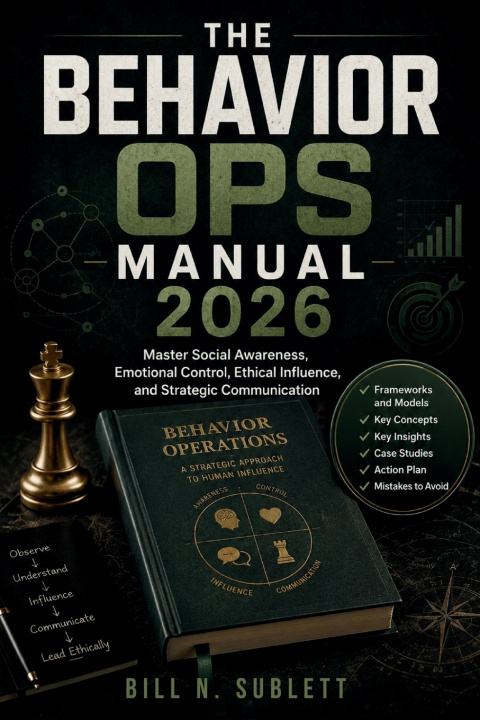
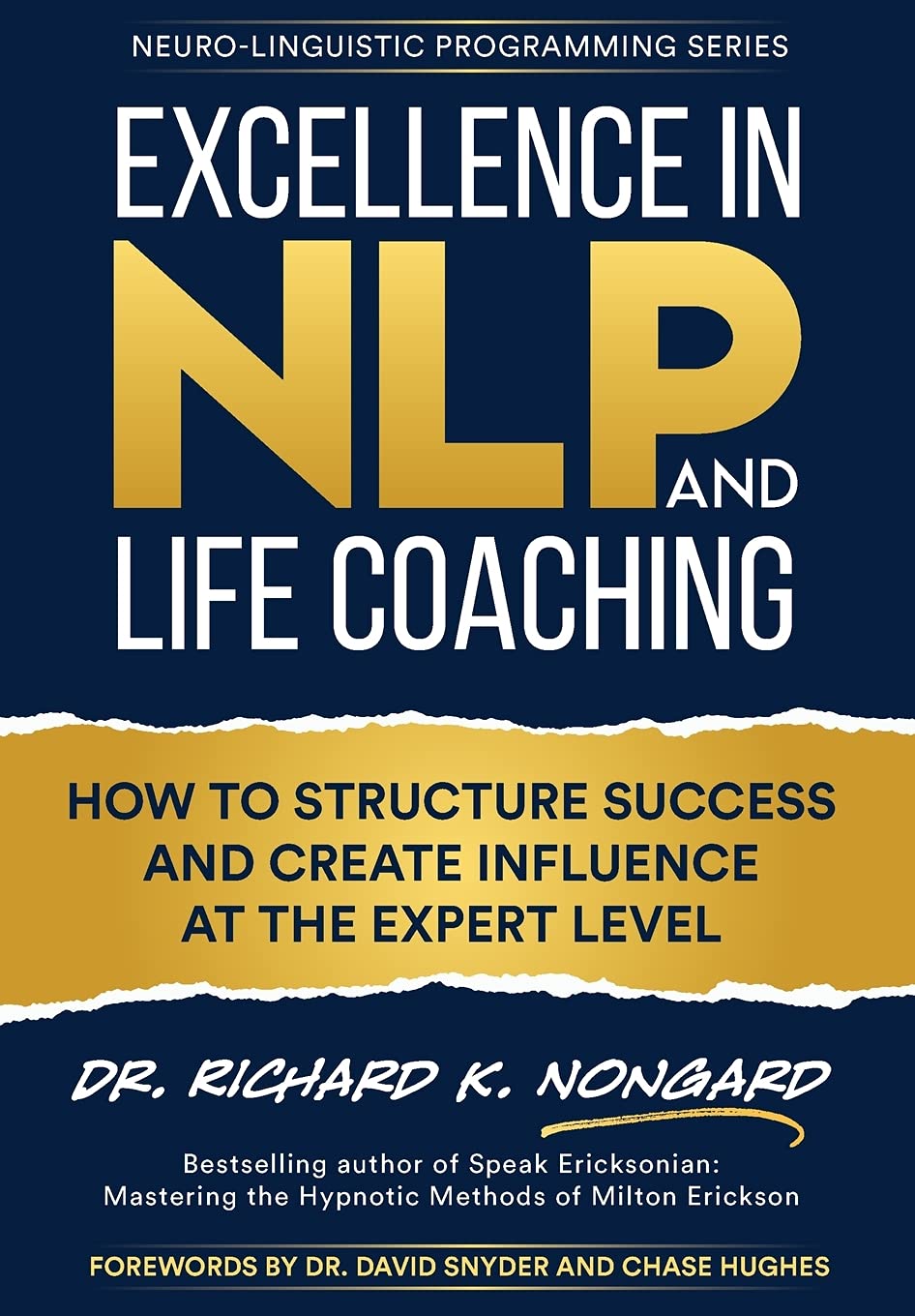
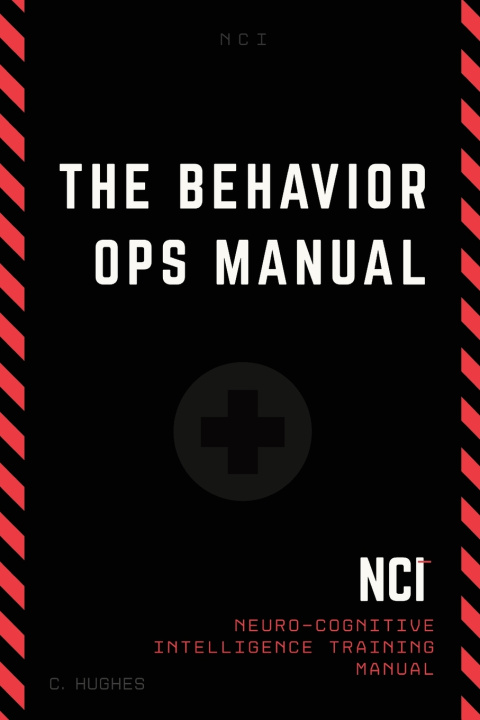
At the center of human behavior lies a quiet but powerful truth: most of what we call "personality" is not chosen in the moment-it is learned under pressure, reinforced through repetition, and later mistaken for identity. This book explores that hidden architecture of the mind through a deeply structured behavioral lens inspired by the applied psychology and behavioral analysis themes associated with Chase Hughes.
Rather than treating trauma as a single event or identity as a fixed state, this work examines how individuals unconsciously move through recurring psychological positions when stress is activated. These patterns-commonly expressed as helplessness, over-responsibility, or controlling correction-are not treated as labels, but as adaptive survival responses shaped by experience. Over time, they become so familiar that they begin to feel like "who you are," even when they are simply automatic reactions repeating in new situations.
Through a layered and immersive narrative structure, the book guides the reader into understanding how these behavioral loops form, how they sustain themselves, and how they quietly influence decisions in relationships, career paths, self-image, and emotional regulation. It reveals how the mind builds stability not through truth, but through familiarity, and how that familiarity can sometimes hold individuals inside patterns that no longer serve their present reality.
What makes this work distinct is its focus on the space between stimulus and response-the often invisible moment where behavior is still flexible before it becomes automatic. Within that space, identity is not fixed; it is negotiable. The book explores how awareness of this interval can gradually shift a person from reactive living toward intentional behavioral choice, without denying emotion or suppressing natural human response.
This is not a book about escaping human nature. It is a book about understanding it deeply enough that it no longer operates entirely outside of awareness. It speaks to readers who are interested in behavioral psychology, trauma patterns, self-development, and the underlying systems that shape human decision-making in real-world conditions.
Written in a reflective and psychologically grounded style, this book invites the reader to see behavior not as identity, but as a system-one that can be observed, understood, and gradually restructured.