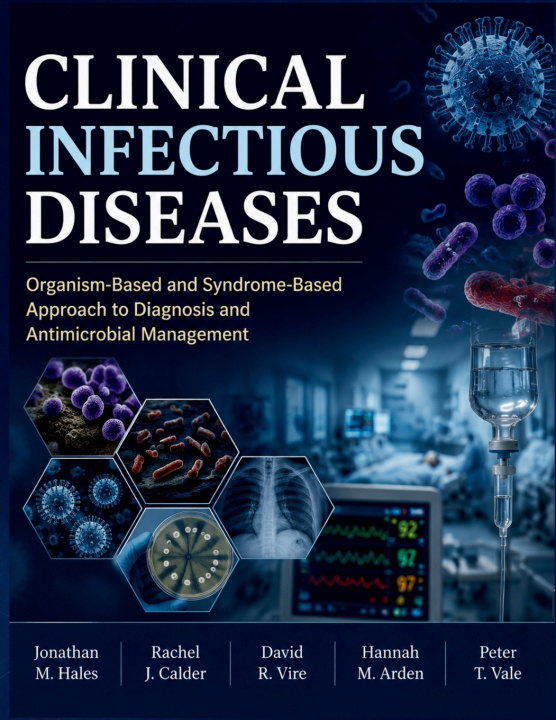
A patient with fever, cough, dysuria, diarrhea, headache, rash, confusion, low blood pressure, or a painful swollen limb may have a common infection-or the early signs of sepsis, meningitis, bacteremia, necrotizing soft-tissue infection, endocarditis, or another rapidly progressive illness.
In infectious diseases, the danger is not only missing the diagnosis. It is making the wrong treatment decision before the full picture is clear.
Should antibiotics be started now? Which organisms are most likely? Is this viral, bacterial, fungal, parasitic, or noninfectious? Which tests will change management? When should therapy be broadened, narrowed, changed, or stopped?
Clinical Infectious Diseases is a practical reference for medical students, residents, physicians, nurses, nurse practitioners, physician assistants, pharmacists, and healthcare trainees who want a clearer, more disciplined approach to infection diagnosis and antimicrobial management.
This book combines two essential ways of thinking: organism-based reasoning and syndrome-based clinical assessment. Readers learn how to connect the patient's presentation with likely pathogens, appropriate diagnostic testing, empiric treatment, culture interpretation, susceptibility results, and targeted antimicrobial therapy.
Built around the situations clinicians face every day, this guide helps readers move from uncertainty to action without losing sight of patient safety, antimicrobial stewardship, and the risks of delayed treatment.
Inside, readers will find practical guidance on:
• Evaluating fever, sepsis, shock, altered mental status, rash, respiratory symptoms, urinary symptoms, diarrhea, abdominal pain, and skin or soft-tissue infections
• Recognizing urgent infectious emergencies, including sepsis, meningitis, endocarditis, necrotizing infection, severe pneumonia, and bloodstream infection
• Understanding bacterial, viral, fungal, mycobacterial, parasitic, and opportunistic infections
• Choosing empiric antimicrobial therapy based on syndrome, severity, host factors, and likely pathogens
• Using cultures, susceptibility reports, rapid tests, molecular diagnostics, and imaging findings to refine treatment
• Knowing when to broaden coverage, narrow therapy, switch to oral treatment, reassess the diagnosis, or discontinue antimicrobials
• Managing respiratory, urinary, gastrointestinal, central nervous system, bloodstream, bone, joint, skin, and healthcare-associated infections
• Preventing antimicrobial resistance through practical stewardship, safe prescribing, and appropriate duration of therapy
• Recognizing infection risks in older adults, immunocompromised patients, hospitalized patients, and patients with devices or complex comorbidities
• Applying infection prevention principles, isolation precautions, source control, and follow-up planning
What makes this book valuable is its realistic clinical focus. Infections do not always present in textbook form. Older adults may become confused rather than febrile. A patient with pneumonia may have subtle symptoms but rapidly worsening oxygen needs. A positive culture may represent contamination, colonization, or a true invasive infection. A broad-spectrum drug may save a life-or cause harm when continued without reassessment.
Clinical Infectious Diseases helps readers develop the judgment to identify what cannot be missed, treat urgent disease early, interpret diagnostic evidence carefully, and use antimicrobials with precision.
Whether you are preparing for clinical rotations, entering residency, working in hospital medicine, supporting antimicrobial stewardship, managing outpatient infections, or strengthening everyday clinical decision-making, this book provides a dependable framework for safer diagnosis and more effective infectious disease management.