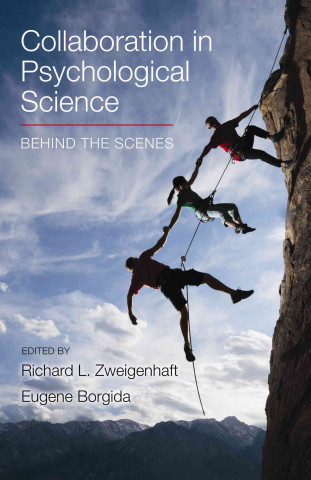
This remarkable collection of essays gives students and other researchers a firsthand look at how collaborative scientific research is done. The 21 contributors are leading psychological and social scientists with extensive experience working as members of a research team. Each author offers a distinctive perspective on the collaborative research process-its pros and cons, challenges and benefits, practical implications and ethical dilemmas. Each essay focuses on a set of guiding questions:What motivated the collaboration? What about the collaboration made the research work more effective (or less?) Does the substantive domain in which the collaboration occurs shape the nature of the collaboration? How have technological advances changed collaboration? Are there particular issues that arise for students collaborating with faculty members, or faculty members collaborating with students? Key features:Provides lessons about the nature of scientific work and the norms of collaboration that define scientific work in psychology today Explores interdisciplinary research and the process psychological scientists use with researchers from other disciplines Offers a wealth of advice on 'best practices' in each essay and in the concluding section of the book.