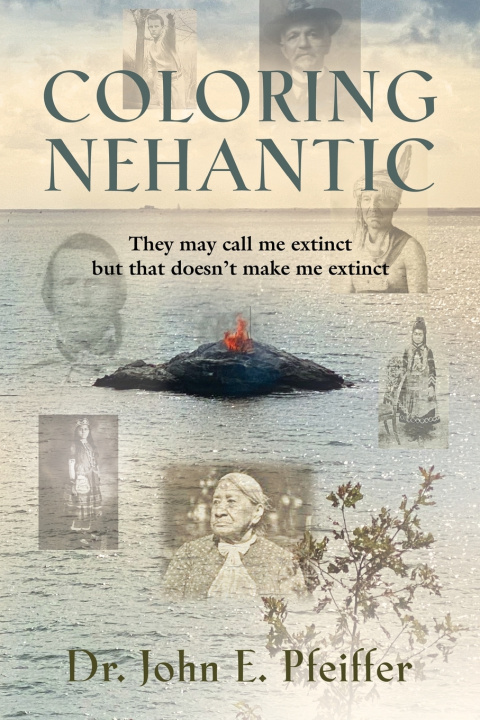
As the lower Connecticut Valley was being settled by the English in the 1630's, a group of Native Americans resided in the region. This group, the Nehantics, had been established and living peacefully in the area for thousands of years. The Nehantic were part of a population of organized regional villages, in what was to eventually become known as southeastern New England. The social arrangement of this group, not unlike a chiefdom, was the result of cultural adaptation that had begun in prehistoric times and permitted the Native peoples to flourish.
However, contact with Europeans during the 16th and 17th centuries led to a devastating Native population reduction from epidemics. This devastation was followed by seizure of Native territory, an erosion of traditional life, relocation upon a reservation, and ultimately, a Nehantic diaspora.
In modern memory, white America has had an unclear view of the Nehantic. Numerous inscriptions upon stone markers, titles of books, and various museum and historical society programs demonstrate such misunderstandings. Terms such as "Tribe Extinct", "Who were the Nehantic?", "Last of the Nehantics", "Remembering the Nehantics", have all been applied over the last century creating an image of a people that are indeed, gone - no more than a figment of the past.
Based on the research described in this book, it is clear that the Nehantic are still here. These descendants are proud of who they are - and what they and their ancestors have achieved.
During the last 400 years, Nehantic peoples have outstretched their hands to their Native brothers and sisters- giving them shelter from the hands of treachery. From the first days of the French and Indian Wars, through the 21st Century, Nehantic men served in the military, fought for their families, their people, and their country. Many of these men made extreme sacrifices, serving with honor and distinction. In so doing, the soldiers of the Nehantic became champions for all peoples - serving their community, their state, and their nation.
In addition to being formidable warriors, the people of Nehantic similarly endured great adversity to end slavery. More specifically, Nehantics in Connecticut as well as throughout the United States are remembered for their work towards achieving equality for people of color. As part of these tireless efforts, the people of Nehantic were centrally involved in the fight for human justice, equality, and civil rights. These initiatives in social justice were early elements of a growing movement that would eventually become the NAACP.
The gritty commitment to survival and existence has been an ever-evolving endeavor for the people of Nehantic. Suffice it to say, the journey for survival has not been easy. Rather, Nehantics have had to face many significant challenges that ultimately led to countless adjustments to their way of life. These adjustments, or more appropriately, these choices in survival, have long been the key to why the people of Nehantic exist today.