Somewhere inside your company right now, someone knows more than you think they do, or less than you assume they need to know. That gap between what is actually happening and what your staff has been told is something every small company carries in some form, and in a company without layers of middle management, there is nowhere for that gap to hide.
Most owners who reach for this book are not failing. Revenue is fine, the doors stay open, and customers keep coming back. What has changed is smaller and harder to name: meetings end early, questions dry up, and someone who once flagged problems early now waits until they cannot be avoided. None of this shows up on a balance sheet, but it is often the first sign that information has stopped moving honestly between leadership and staff, and that people have quietly begun protecting themselves the way they have watched leadership protect the company.
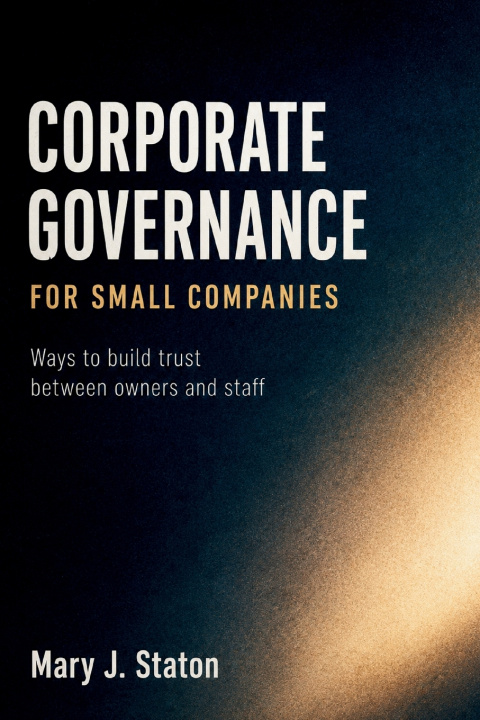
This book treats trust as something structural, rather than something you hope people feel because you are, on the whole, a decent person to work for. Across fifteen connected chapters, each combining a real example, a common owner mistake, concrete steps, and a reference guide, it works through the specific, practical decisions that determine whether openness builds confidence or creates chaos inside a small company.
Inside, you will:
- Learn what withholding information actually teaches a team over time, and recognize the pattern before it hardens into culture.
- Apply a practical framework for sharing real financial information with staff in a way that builds understanding rather than panic.
- Use a method for mapping clear decision rights across your team, so people stop guessing what they are allowed to decide.
- Turn routine performance reviews into honest conversations instead of scripted exchanges that reveal little.
- Structure profit-sharing so it functions as a genuine signal of partnership rather than a disconnected bonus.
- Handle a difficult termination, deliver a sincere apology, or manage a family member's role on payroll in ways that reinforce trust rather than quietly undermine it.
- Build a small, lightweight advisory structure that keeps ownership decisions accountable without handing over control of the company.
The book also examines why staff often sense what an owner believes is hidden, how to rewrite vague policy language into commitments people actually believe, how to delegate real authority rather than just tasks, how to run a structured session where staff finally say the real thing, and how to protect a trust-built culture from backsliding once daily pressure returns.
This book is written for owners, founders, and senior leaders of small and growing companies, particularly those who sense that something has quietly shifted beneath an otherwise healthy business. It is also a useful, returnable reference for managers handling reviews and terminations, and for owners navigating the particular challenges of employing a family member.
Open the book and begin building the structural, day-to-day practices that turn trust into something your staff can actually observe, rather than something you privately hope they feel.