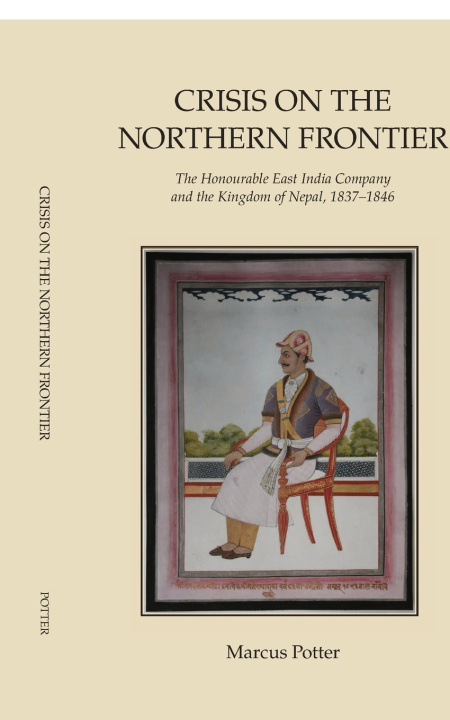
Empire, intrigue, and the limits of power on the roof of the world.
Between 1837 and 1846, the Honourable East India Company and the Kingdom of Nepal stood repeatedly on the brink of war. For a decade, intrigue in the Kathmandu durbar and anxious calculation in Calcutta circled a single unresolved question - and a conquest that was planned but never launched.
In Crisis on the Northern Frontier, M. J. J. Potter reconstructs these years from the despatches of the Residency and the records of the Company's government, among them an 1839 plan for the kingdom's conquest that has gone all but unremarked. The result is a close-grained account of frontier diplomacy in the long shadow of the war of 1814-16: of Residents and ministers, of the fall of the Thapas and the bloody rise of Jang Bahadur in the Kot Massacre of 1846, and of a Company that watched, schemed, and ultimately drew back.
Why did the conquest never come? Potter argues that the Company did not spare Nepal so much as fail to take it: at the Himalaya, British expansion met a limit it could not cross - a premonition of the catastrophe that would engulf India in 1857.
A work of narrative history for readers of the East India Company, the making of modern Nepal, and the frontiers of empire.