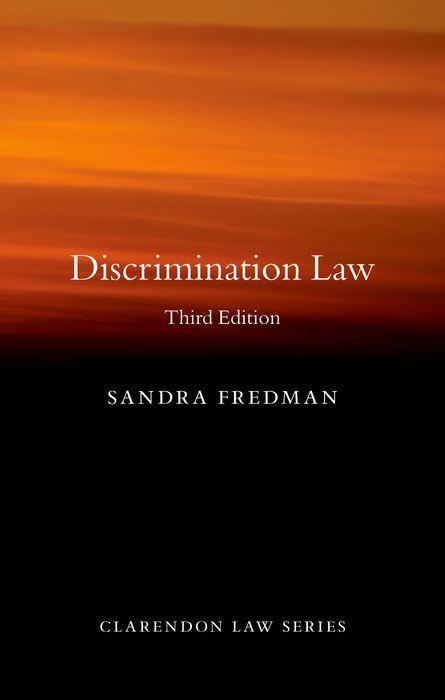
Könyv Discrimination Law Fredman FBA KC

Discrimination Law

Nyelv: Angol
Kötés: Kemény kötésű
Elérhetőség: Beszállítói készleten
Küldés 10-18 napon belül
68 048 Ft
This book is a challenging, thought-provoking yet highly accessible introduction to discrimination l...


Információk a könyvről

Nyelv
Angol
Kötés
Könyv - Kemény kötésű
Kiadva
2022
oldal
576
EAN
9780198854081
ISBN
0198854080
Enbook ID
42080821
Súly
830
Méretek
138 x 216

Teljes leírás

This book is a challenging, thought-provoking yet highly accessible introduction to discrimination law. It takes a thematic approach, illuminating the major issues in discrimination law, while imparting an in-depth understanding of the strengths and weaknesses of legal responses to complex social problems of inequality. This is enhanced by the comparative approach. By considering equality law in the UK, US, India, Canada, and South Africa, as well as the European Union and under the European Convention on Human Rights, the book exposes common problems across different jurisdictions and canvasses a variety of differing solutions. As in the highly successful previous editions, the book locates discrimination law within its historical and social context. One of its major strengths is the development of an analytic framework of substantive equality, drawing on a range of sources, and the author's wide experience of equality law in many jurisdictions. As well as chapters charting the social challenges and legal responses, the book compares the ways in which different jurisdictions formulate grounds of discrimination or protected characteristics; the meaning of key concepts such as direct discrimination (disparate treatment); indirect discrimination (disparate impact); and when limitations on equality are legitimate. Later chapters test these concepts in some of the most challenging contexts: pregnancy and parenting, equal pay, reasonable accommodation, and sexual harassment; as well as to the particularly controversial issue of affirmative action or deliberate preference policies. Discussing at length how racisms, sexism, LGBTQ+ rights, and other topics impact these contexts. The final chapter asks how the right to equality can be made more effective, critically assessing the paradigm individual complaints model, and possible alternatives, from class actions and strategic litigation to mainstreaming and positive duties to promote equality.

Érdekelheti

10 250 Ft