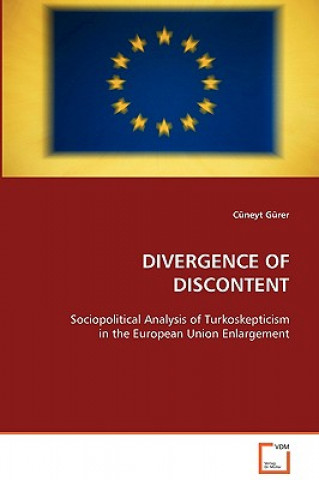
One of the most significant decisions of the EU, §after the Maastricht Treaty, was the decision to §accept new members as they fulfilled economic §and political criteria. Enlargement is still a §working policy process for the EU, in which §accession negotiations with formal candidate §countries are still proceeding and further expansion §to the Western Balkans are being considered as a §possibility. Despite its success, EU enlargement has §not been free from skepticism, especially when §considering Turkey's candidacy and the latest round §of accession negotiations. In this framework, the §study attempts to understand the dynamics of the §sociopolitical structure of the European opposition §to Turkish EU membership. Recent literature §indicates four major issues and concerns regarding §Turkey's EU membership; those related to identity, §future enlargement, individual economic §expectations, as well as immigration and crime. The §first phase of this study considers each issue area §as a separate topic while the second measures the §level of opposition to Turkey's membership using all §issue areas and other explanatory variables in a §single model.