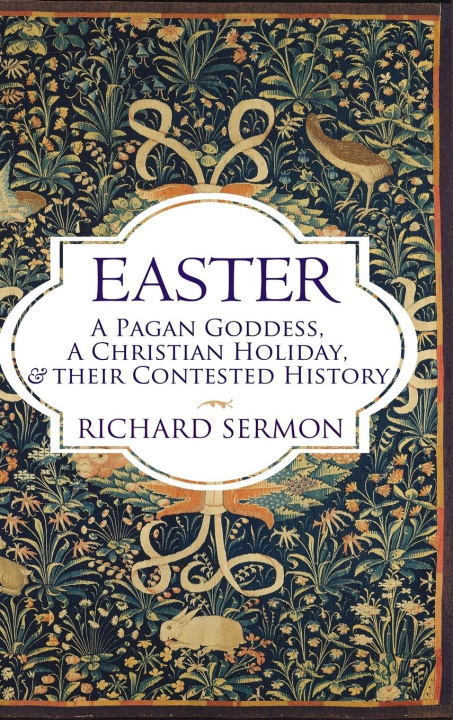
Könyv Easter Richard Sermon

Easter

Szerző: Richard Sermon
Nyelv: Angol
Kötés: Kemény kötésű
Kiadó: Uppsala Books
Elérhetőség: Beszállítói készleten
Küldés 14-21 napon belül
11 000 Ft
As the Easter season approaches each year, commonly heard questions ask: why does the festival not f...

Információk a könyvről

Szerző
Nyelv
Angol
Kötés
Könyv - Kemény kötésű
Kiadva
2024
oldal
198
EAN
9781961361164
ISBN
1961361167
Enbook ID
46482977
Kiadó
Súly
447
Méretek
157 x 235 x 15

Teljes leírás

As the Easter season approaches each year, commonly heard questions ask: why does the festival not fall on the same date each year, and how do its name and symbols (notably eggs and bunnies) relate to the Christian story of Jesus' crucifixion and resurrection? A simple search of the internet will provide a bewildering volume of information and misinformation that claims to answer these questions. The issue has become something of culture war between traditional Christian interpretations and the views of people following alternative forms of spirituality and neopaganism. An often-heard argument is that Easter was originally named after a spring or dawn goddess, who was symbolised by the hare and the egg, and whose name, festival and symbols were later appropriated by the Christians. The purpose of this book is to explore the principal claims and counter claims that now surround the goddess Eostre (recorded once by the Venerable Bede in 725 AD) and the origins of the Christian paschal festival. It critically examines the substance and history of these ideas from their earliest sources to the present day.


The book begins by exploring the origins of the Christian Paschal festival, with its roots in the Jewish Passover, and how this 'moveable feast' (based on the lunar calendar) became established in the late Roman Empire (including Britannia). The native British and Irish, like most European nations, based their terms for the festival on the Latin name Pascha - derived via Greek and Aramaic from the Hebrew name Pesach. However, among Anglo-Saxons the Paschal festival was known by the Old English name Eastron - ancestor of the modern name Easter - which according to Bede (672-735 AD) was taken from the name of a pagan goddess Eostre. The book then considers a possible parallel with the Old High German name Ostarun - ancestor of the German name Ostern - and whether this provides evidence of a more ancient Proto-Germanic or Indo-European goddess. This is followed by an examination of the claims and counter-claims made by various nationalist, occultist and neopagan groups regarding the festival's Germanic names, its common symbols and timing. Finally, the book explores a possible relationship between Eostre and both a group of Roman altars from Germany dedicated to the Matronae Austriahenae and a unique seventh-century timber structure at Yeavering in Northumberland, which may provide the first evidence to corroborate Bede's Anglo-Saxon calendar.


Érdekelheti

Girl of Mine

Jabari Asim
2 634 Ft
12 018 Ft
10 647 Ft

With This Ring: Everything Marriage

Dba (Abd) Nikki Giovanni a Huff
2 777 Ft

Razor Clams

David Berger
6 045 Ft

Healthy Eating

Gemma McMullen
5 536 Ft

Azok a vásárlók, akik ezt a könyvet megvásárolták, a következőket is megvásárolták

Obras de Luis de Camoes ..., Volume 2

Ferno Rodrigues Lobo Soropita
8 875 Ft