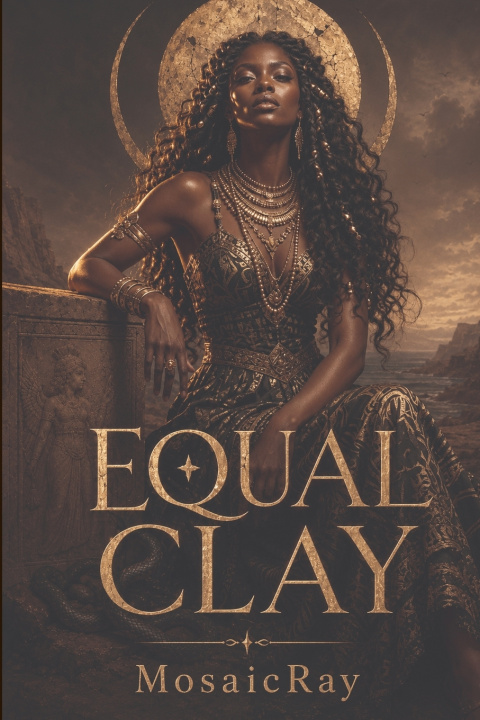
Lilith remembers the soil before the story hardened around her.
Created from the same earth as Adam, she rises beside him-not after him, not from him, and never beneath him. When equality becomes expectation, affection becomes authority, and the garden begins demanding that she make herself smaller, Lilith speaks the forbidden Name and leaves.
Exile brings salt water, hunger, failed shelters, motherhood, grief, and a curse that will transform her into the monster generations are taught to fear. Across centuries, religious texts, protective amulets, mystical traditions, paintings, feminist movements, festivals, and modern tattoos repeatedly rename and repurpose her. Demon. Seductress. Queen. Ancestor. Icon. Each version preserves something and erases something else.
In Equal Clay, Lilith finally tells her own story-not to prove herself innocent, replace one mythology with another, or become anyone's symbol of rebellion. She speaks to recover the person beneath the record: a woman who refused subordination, survived the consequences, and remained exactly the size she was created to be.