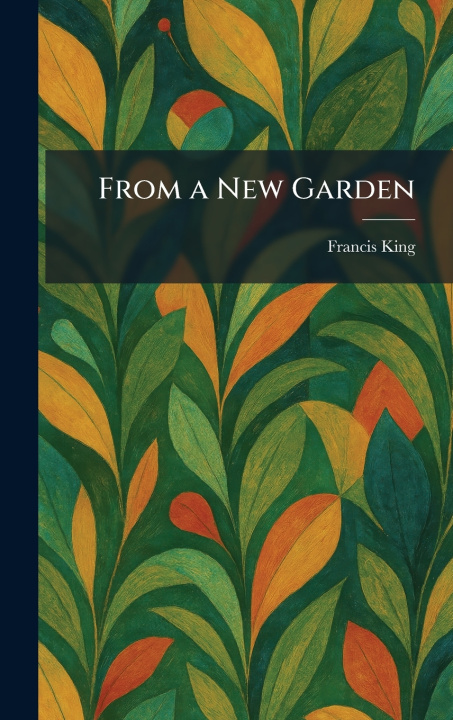
"From a New Garden" is an evocative and practical exploration of horticultural artistry and the joys of establishing a fresh landscape. Written by the esteemed gardener Mrs. Francis King, this work serves as both a guide and an inspiration for those looking to transform their outdoor spaces into sanctuaries of beauty. The text delves into the intricacies of garden planning, from the selection of vibrant perennials to the harmonious arrangement of flower beds that thrive across the seasons.
With a keen eye for color and structure, the author shares her wealth of knowledge on soil preparation, plant varieties, and the aesthetic principles that define a well-ordered garden. Beyond technical advice, the book captures the philosophical rewards of gardening, emphasizing the connection between the gardener and the living world. "From a New Garden" remains a classic of early 20th-century American gardening literature, offering timeless wisdom for amateur enthusiasts and experienced horticulturists alike who seek to cultivate a flourishing and soulful environment.
This work has been selected by scholars as being culturally important, and is part of the knowledge base of civilization as we know it. This work was reproduced from the original artifact, and remains as true to the original work as possible. Therefore, you may see the original copyright references, library stamps (as most of these works have been housed in our most important libraries around the world), and other notations in the work.
This work is in the public domain in the United States of America, and possibly other nations. Within the United States, you may freely copy and distribute this work, as no entity (individual or corporate) has a copyright on the body of the work.
As a reproduction of a historical artifact, this work may contain missing or blurred pages, poor pictures, errant marks, etc. Scholars believe, and we concur, that this work is important enough to be preserved, reproduced, and made generally available to the public. We appreciate your support of the preservation process, and thank you for being an important part of keeping this knowledge alive and relevant.