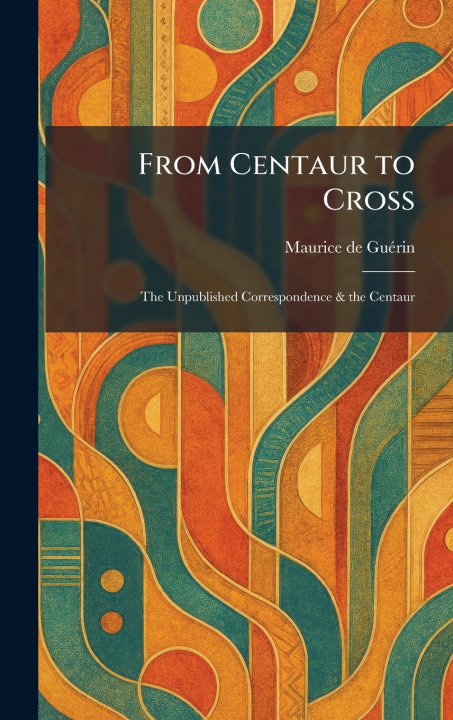
"FROM CENTAUR TO CROSS" offers a profound glimpse into the spiritual and artistic evolution of Maurice de Guérin, a significant figure in French Romanticism. This volume pairs Guérin's most famous work, "The Centaur", with a significant collection of his previously unpublished correspondence. Through these letters and his lyrical prose, the work explores the internal conflict between the pagan influences of the natural world and the eventual embrace of religious devotion, symbolized by the transition from the centaur to the cross.
The prose poem "The Centaur" stands as a masterpiece of nineteenth-century literature, evoking a sense of ancient mystery and the harmony of being. When read alongside his personal letters, the work reveals the sensitive and melancholic temperament of an author who sought meaning in both the mythical past and the spiritual present. This collection is an essential resource for scholars and enthusiasts of French literature, providing deep insight into the creative mind of a poet whose life was short but whose literary impact was enduring. By documenting his struggles with faith, art, and mortality, "FROM CENTAUR TO CROSS" captures the essence of the Romantic quest for transcendence.
This work has been selected by scholars as being culturally important, and is part of the knowledge base of civilization as we know it. This work was reproduced from the original artifact, and remains as true to the original work as possible. Therefore, you may see the original copyright references, library stamps (as most of these works have been housed in our most important libraries around the world), and other notations in the work.
This work is in the public domain in the United States of America, and possibly other nations. Within the United States, you may freely copy and distribute this work, as no entity (individual or corporate) has a copyright on the body of the work.
As a reproduction of a historical artifact, this work may contain missing or blurred pages, poor pictures, errant marks, etc. Scholars believe, and we concur, that this work is important enough to be preserved, reproduced, and made generally available to the public. We appreciate your support of the preservation process, and thank you for being an important part of keeping this knowledge alive and relevant.