An older adult with falls, fatigue, weight loss, confusion, worsening mobility, or repeated hospital visits may not have one simple problem. They may be living with frailty, heart disease, diabetes, dementia, chronic pain, medication side effects, caregiver stress, and a gradual loss of function that can be missed when care is organized around single diagnoses.
In geriatric medicine, the challenge is not only identifying disease. It is understanding how multiple conditions interact, what is causing decline, what can still be improved, and how to create a care plan that protects function, safety, comfort, and independence.
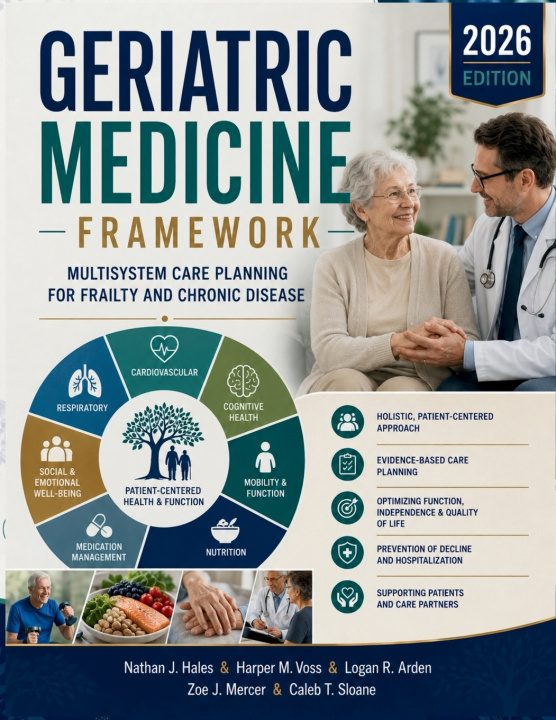
Geriatric Medicine Framework is a practical clinical guide for medical students, residents, physicians, nurses, nurse practitioners, physician assistants, pharmacists, rehabilitation professionals, and healthcare trainees who want to care for older adults with greater confidence, structure, and clinical judgment.
This book focuses on the real problems clinicians face in aging populations: frailty, multimorbidity, polypharmacy, falls, cognitive decline, delirium, mobility loss, malnutrition, chronic pain, incontinence, depression, caregiver burden, repeated admissions, and difficult decisions about treatment intensity and long-term goals.
Rather than treating each diagnosis separately, this guide shows how geriatric care works in real life. It explains how to assess the whole patient, identify reversible causes of decline, prioritize competing health problems, simplify medication regimens, protect mobility, support families, and create realistic care plans that fit the patient's daily abilities and values.
Inside, readers will find practical guidance on:
• Frailty assessment, functional decline, sarcopenia, falls, and mobility preservation
• Multimorbidity management and care prioritization when several chronic diseases compete for attention
• Polypharmacy review, deprescribing, medication safety, and prevention of treatment-related harm
• Dementia, delirium, depression, anxiety, and cognitive assessment in older adults
• Chronic disease care for heart failure, diabetes, COPD, kidney disease, arthritis, and other common conditions
• Nutrition, pain, sleep, continence, sensory loss, and other major geriatric syndromes
• Communication with patients, families, caregivers, and interdisciplinary care teams
• Advance care planning, goals-of-care discussions, palliative support, and end-of-life decision-making
• Hospital-to-home transitions, rehabilitation planning, community resources, and long-term care coordination
What makes this book valuable is its realistic clinical focus. Older adults often do not present with textbook symptoms. Infection may appear as confusion. Medication toxicity may appear as falls. Heart failure may appear as fatigue and loss of appetite. A minor illness can quickly become a major setback when frailty and chronic disease are already present.
Good geriatric care requires balance. More medication is not always better. More testing is not always safer. Aggressive treatment may not always improve the outcome that matters most to the patient. Geriatric Medicine Framework helps readers develop the judgment to manage disease while protecting independence, dignity, comfort, and meaningful quality of life.
Whether you are preparing for clinical rotations, entering residency, working in primary care, hospital medicine, nursing, rehabilitation, long-term care, or community health, this book provides a clear and practical foundation for multisystem care planning in older adults.