Every coin in circulation today descends from a single idea: a lump of natural gold and silver, struck between two dies in the hills of ancient Lydia.
Greek Coins: The Birth of Money and Image highlights the profound impact of Greek coinage on history, inspiring pride and curiosity in history enthusiasts across three and a half centuries and twelve city mints, from its first appearance to the moment it became art.
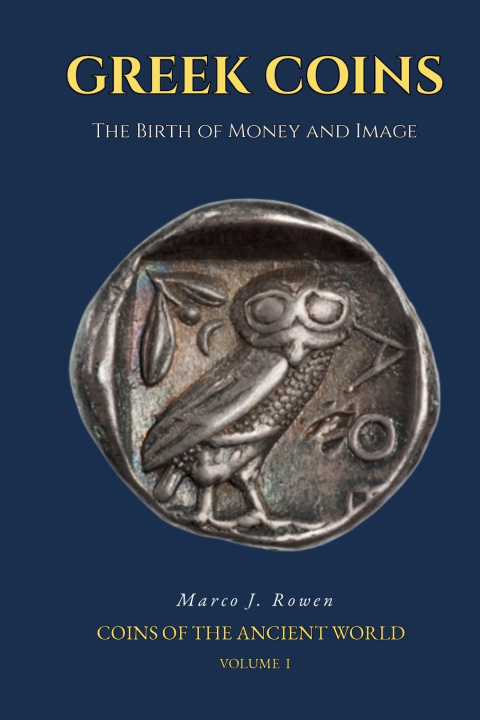
Chapter by chapter, this richly illustrated history moves mint by mint through the coinage that shaped the ancient Mediterranean: the silent electrum of Sardis, the sea turtle of Aegina, the owl that made Athens recognizable on sight, the ever-changing tunny of Kyzikos struck for two centuries, the signed masterworks of classical Syracuse, the royal archer coinage of the Achaemenid Persian Empire, and the dolphin rider of Taras struck in the last years before Rome's conquest of southern Italy.
Each chapter pairs historical narrative with detailed technical and archaeological insights-covering weight standards, metal composition, die studies, and the context behind each type-designed to engage and empower collectors and students with authentic knowledge.
Inside:
- Twelve chapters, one per mint, tracing the spread of coinage across the Greek world from Lydia to Magna Graecia
- A Reader's Cabinet with realistic, current collecting guidance: price ranges, authenticity red flags, and where to look for each type at every budget level
- An Analytical Register with a full glossary, a monetary timeline, a mint gazetteer, and weight-standard comparison tables
- A complete image credits appendix, crediting every public collection consulted
- Every coin is reproduced in full color, obverse and reverse, from high-resolution museum photography.
No black-and-white plates: the metal, the patina, and the strike detail remain visible exactly as they appear on the original
Volume I of Coins of the Ancient World, part of a series that traces coinage across the wider ancient world, provides a broad and detailed foundation for further exploration.
Marco J. Rowen writes history through the objects that paid for it. Twenty-six centuries after the first one was struck, it still fits in a pocket.