A reclamation and interpretation of a once-dismissed aspect of American film history
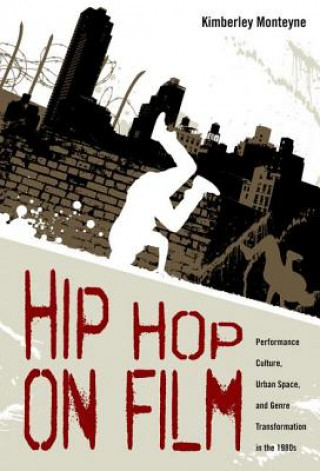
Early hip hop film musicals have either been expunged from cinema history or excoriated in brief passages by critics and other writers. Hip Hop on Film reclaims and reexamines productions such as Breakin' (1984), Beat Street (1984), and Krush Groove (1985) in order to illuminate Hollywood's fascinating efforts to incorporate this nascent urban culture into conventional narrative forms. Such films presented musical conventions against the backdrop of graffiti-splattered trains and abandoned tenements in urban communities of color, setting the stage for radical social and political transformations. Hip hop musicals are also part of the broader history of teen cinema, and films such as Charlie Ahearn's Wild Style (1983) are here examined alongside other contemporary youth-oriented productions. As suburban teen films banished parents and children to the margins of narrative action, hip hop musicals, by contrast, presented inclusive and unconventional filial groupings that included all members of the neighborhood. These alternative social configurations directly referenced specific urban social problems, which affected the stability of inner city families following diminished governmental assistance in communities of color during the 1980s.
Breakdancing, a central element of hip hop musicals, is also reconsidered. It gained widespread acclaim at the same time that these films entered the theaters, but the nation's newly discovered dance form was embattled--caught between a multitude of institutional entities such as the ballet academy, advertising culture, and dance publications that vied to control its meaning, particularly in relation to delineations of gender. As street-trained breakers were enticed to join the world of professional ballet, this newly forged relationship was recast by dance promoters as a way to invigorate and "remasculinize" European dance, while young women simultaneously critiqued conventional masculinities through an appropriation of breakdance. These multiple and volatile histories influenced the first wave of hip hop films, and even structured the sleeper hit Flashdance. This forgotten, ignored, and maligned cinema is not only an important aspect of hip hop history, but is also central to the histories of teen film, the postclassical musical, and even institutional dance. Kimberley Monteyne places these films within the wider context of their cultural antecedents and reconsiders the genre's influence.
Kimberley Monteyne, Vancouver, British Columbia, Canada, is currently teaching at the University of British Columbia and has also taught at New York University and the Chelsea College of Art (UK). Her work has appeared in Youth Culture in Global Cinema.