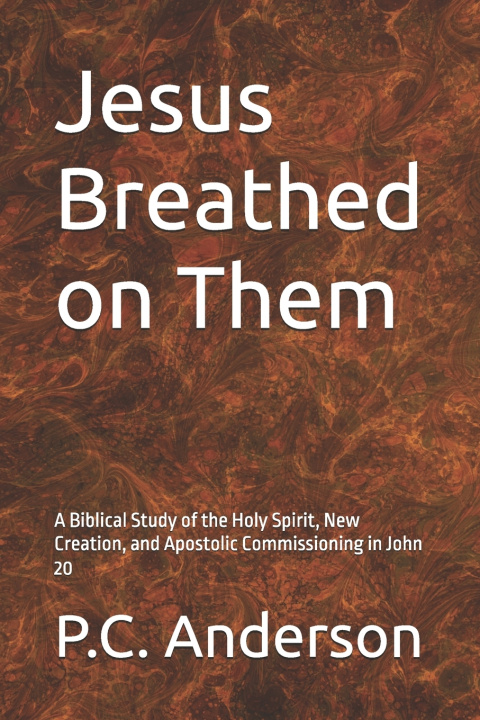
On the evening of the first Easter, the risen Christ appeared to His disciples, spoke peace, showed His wounds, and performed a striking act: He breathed on them and said, "Receive the Holy Spirit." This brief but profound moment in John 20:19-23 has inspired centuries of theological reflection, raising questions about whether it represents an actual impartation of the Spirit, a symbolic anticipation of Pentecost, an apostolic commissioning, or a deliberate echo of God breathing life into Adam in Genesis 2:7.
Key Features
Text-driven analysis: Engages directly with John's Greek wording, narrative structure, and theological artistry.
Comparative scoring: Evaluates five responsible hypotheses (Composite, Actual Reception, Apostolic Commissioning, New-Creation Symbolism, Symbolic Anticipation) with transparent criteria.
Canonical connections: Explores intertextual echoes with Genesis, Acts, and broader biblical pneumatology.
Historical grounding: Situates the event within Second Temple hopes for the Spirit and the disciples' cultural context.
Pastoral relevance: Highlights implications for mission, forgiveness, and the church's Spirit-empowered witness.
Why This Book Matters
Rather than forcing a choice between John and Luke, history and symbol, or "already" versus "not yet," Anderson demonstrates how the canonical portrait converges: Jesus' breathing on the disciples is a genuine divine act that integrates impartation, commissioning, and creation imagery. The book equips readers to evaluate the evidence themselves through clear tables, structured chapters, and accessible summaries.
Audience
This study is ideal for pastors, theologians, seminary students, and serious Bible readers seeking a deeper understanding of Johannine pneumatology, the theology of the Spirit, and the mission of the church. It also serves devotional readers who want to rediscover the wonder of Scripture's message: the risen Christ sovereignly breathed His Spirit upon His disciples, inaugurating the new creation and sending them into joyful witness.
Jesus Breathed on Them is both rigorous and accessible, offering a decisive, text-grounded exploration of one of the most theologically dense moments in the Gospel of John. It invites readers to encounter anew the life-giving breath of Christ and the Spirit's commissioning power for the church today.