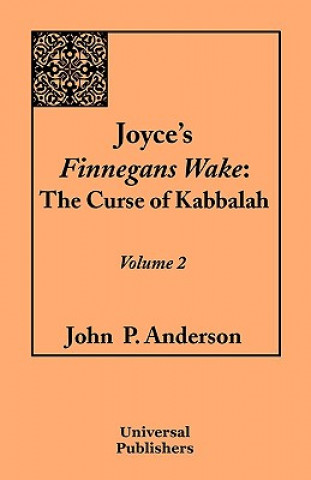
Könyv Joyce's Finnegans Wake John P. Anderson

Joyce's Finnegans Wake

Szerző: John P. Anderson
Nyelv: Angol
Kötés: Puha kötésű
Elérhetőség: Beszállítói készleten
Küldés 14-21 napon belül
14 635 Ft
This second volume continues this non-academic author's ground-breaking word-by-word analysis of Jam...
Információk a könyvről

Nyelv
Angol
Kötés
Könyv - Puha kötésű
Kiadva
2009
oldal
334
EAN
9781599429014
ISBN
1599429012
Enbook ID
04243048
Súly
470
Méretek
139 x 216 x 21

Teljes leírás

This second volume continues this non-academic author's ground-breaking word-by-word analysis of James Joyce's Finnegans Wake, Joyce's last blessing on mankind. In chapters 1.3 and 1.4, which are covered by this volume, the Kabbalah-based analysis peers into the darkness of the Egyptian Land of the Dead and corresponding Book of the Dead. These chapters are joined at the hip by Egyptian death-obsessed theosophy and increase the font on Joyce's principal subject matter-the loss of human potential to fear and dependency. Joyce finds Kabbalah-cursed paralysis in ancient Egyptian religion as part of his effort to show the same paralysis in nearly all religions and to champion the independent individual. In these chapters, the search for meaning in the god/mankind relationship serves up several father and son stories. This selection is based on the fundamental importance in Egyptian religion of the story of father Osiris and son Horus, and the corresponding importance in Christian religion of Jesus as the son of god and the second person in the Trinity. These father and son stories include Attackler and Adversary, a tale framed by a dependency- demanding father god betraying the independent son god on the cross. The story of Abelbody is based on the premise that the real son of the god of this world was the arbitrary and violent Cain. Joyce's masterful synergism of style and content continues. In these two chapters sentences are wrapped up like mummies in parenthesis and parenthesis within parenthesis and slowed down by flow-interrupting dependent clauses. By contrast, the sentences at the end of chapter 1.4 display a new spirit. The unification aspect of the female psyche shows in long and open compound sentences joining many independent elements (much like Molly's soliloquy in Ulysses). In addition, the transition at the end of chapter 1.4 to the female in chapter 1.5 (covered in volume 3) is made by poetry-at first doggerel and then dignified poetry. Like the aspect of female mentality that Joyce focuses on, poetry is based on partial connection and unification of the sounds, words and thoughts. Joyce's closing words nurture each other. The author's plan is to cover all of Finnegans Wake in subsequent volumes.

Érdekelheti

Norse, of Course!

N. K. Stoner
8 607 Ft

Edge of the Map

Pilgrim Tyne
11 339 Ft
77 570 Ft

History of England

EARL PHILI STANHOPE
8 805 Ft

Ceaselessly

Katherine Lindfors
3 865 Ft

Diwali

Shalini Vallepur
6 846 Ft

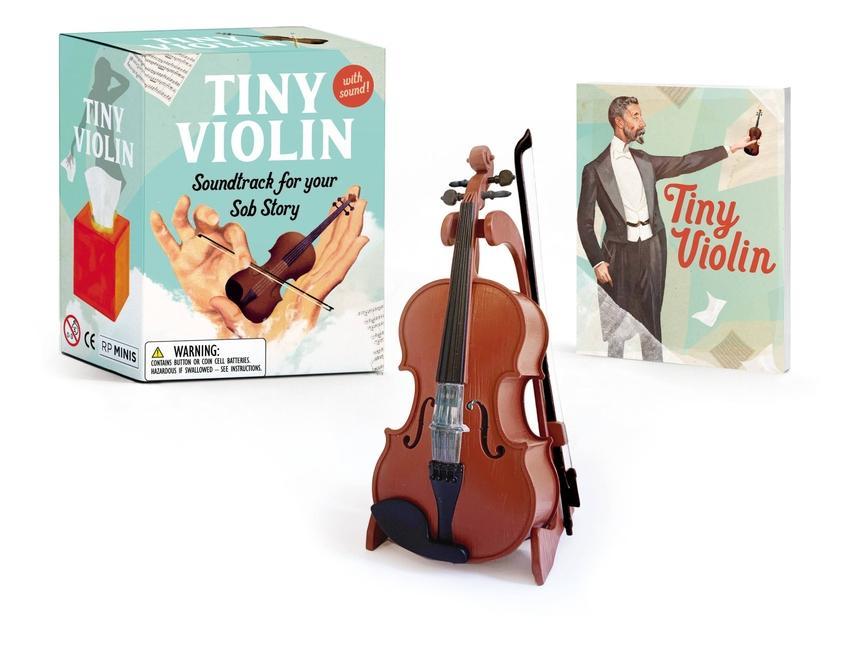
Tiny Violin

ROYAL SARAH
3 911 Ft

Money With Purpose

Morgan Ranstrom
7 230 Ft
2 493 Ft

Father Mathew

John Francis Maguire
13 931 Ft

Re-Reading Job

Michael (Newman University) Austin
7 934 Ft

Buddhist Unconscious

William S. Waldron
25 902 Ft

Inspiration 1 Students Book

Judy Garton-Sprenger
4 498 Ft

Images of Meath

Tommy Murray
6 688 Ft

Azok a vásárlók, akik ezt a könyvet megvásárolták, a következőket is megvásárolták

4 466 Ft
4 353 Ft

Miesto, čas, rytmus

Miroslav Marcelli
2 691 Ft