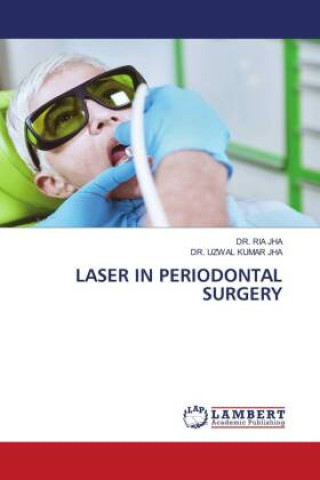
Lasers have become an important advancement in periodontal surgery due to their precision, minimal invasiveness, and improved patient comfort. A laser produces concentrated light energy that interacts with oral tissues to perform cutting, coagulation, and bacterial reduction. Different types of lasers used in periodontology include diode, Nd:YAG, CO₂, and erbium lasers. These are commonly employed in procedures such as gingivectomy, gingivoplasty, frenectomy, periodontal pocket therapy, crown lengthening, and gingival depigmentation.One of the major advantages of lasers is excellent hemostasis, as they seal blood vessels during surgery and provide a bloodless operative field. Lasers also reduce postoperative pain, swelling, and infection by destroying periodontal pathogens and sealing nerve endings. Healing is often faster with minimal scarring compared to conventional scalpel surgery. In addition, lasers improve patient acceptance because many procedures require less anesthesia and fewer sutures.Despite these advantages, lasers have limitations such as high equipment cost and the need for proper training.