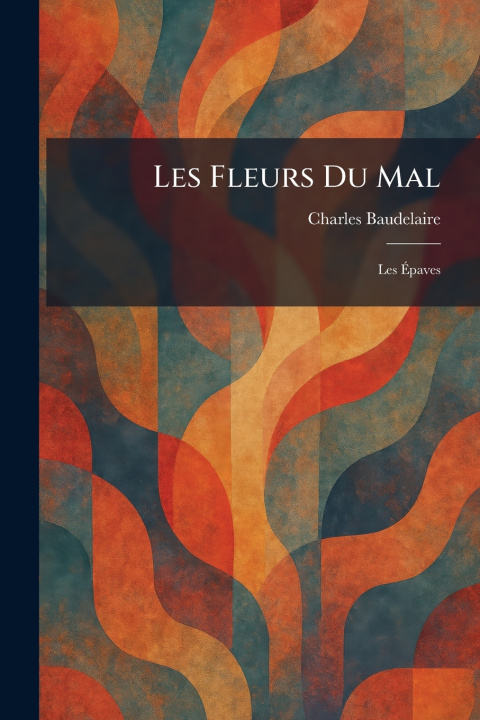
Chef-d'Åuvre incontesté de la poésie mondiale, "Les Fleurs du Mal" de Charles Baudelaire marque une rupture fondamentale dans l'histoire littéraire du XIXe siècle. Ce recueil explore les dualités de l'existence humaine, oscillant perpétuellement entre l'idéal et le spleen, la beauté sublime et la déchéance. À travers des vers d'une précision formelle exemplaire, Baudelaire plonge dans les profondeurs de l'âme moderne, abordant des thèmes alors provocateurs tels que l'érotisme, la mort et la mélancolie urbaine.
Cette édition regroupe également "Les Épaves", un ensemble de pièces condamnées lors du célèbre procès pour outrage aux bonnes mÅurs ou écartées par l'auteur, offrant ainsi une vision exhaustive de son génie créateur. Véritable pilier du symbolisme et précurseur de la modernité poétique, ce texte continue de fasciner par sa puissance évocatrice et son exploration audacieuse de la condition humaine. C'est un ouvrage indispensable pour tout amateur de littérature classique et de poésie française cherchant à comprendre l'évolution de l'esthétique moderne.
This work has been selected by scholars as being culturally important, and is part of the knowledge base of civilization as we know it. This work was reproduced from the original artifact, and remains as true to the original work as possible. Therefore, you may see the original copyright references, library stamps (as most of these works have been housed in our most important libraries around the world), and other notations in the work.
This work is in the public domain in the United States of America, and possibly other nations. Within the United States, you may freely copy and distribute this work, as no entity (individual or corporate) has a copyright on the body of the work.
As a reproduction of a historical artifact, this work may contain missing or blurred pages, poor pictures, errant marks, etc. Scholars believe, and we concur, that this work is important enough to be preserved, reproduced, and made generally available to the public. We appreciate your support of the preservation process, and thank you for being an important part of keeping this knowledge alive and relevant.