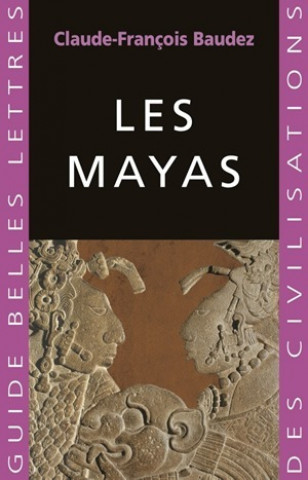
The Maya occupied a special place in the history of civilizations, due mainly to the fact that, like all Pre-Colombian American cultures, they evolved independently of the Ancient World. Not only did its civilization produce some of the most admirable artwork on the North American continent, but it also managed to develop a perfectly viable form of writing. However, during its nearly two thousand years of existence, it failed to emerge as an empire or any other sort of hegemony; its political landscape was still comprised of rival city-states of varying sizes and influence. Although each city was a contributing member of the same civilization, their respective histories and artistic expressions were unique. The unity and diversity of Mayan ruins delight travellers, challenge intellectuals, and fascinate artists and art historians. They are also the reason for the complexity of the multifaceted civilization which the author of this guide strives to clarify.Notable works written by archaeologist and iconologist Claude-François Baudez, an Honorary Research Director at the CNRS, include Cités perdues des Mayas (co-authored with S. Picasso) and Histoire de la Religion des Mayas.