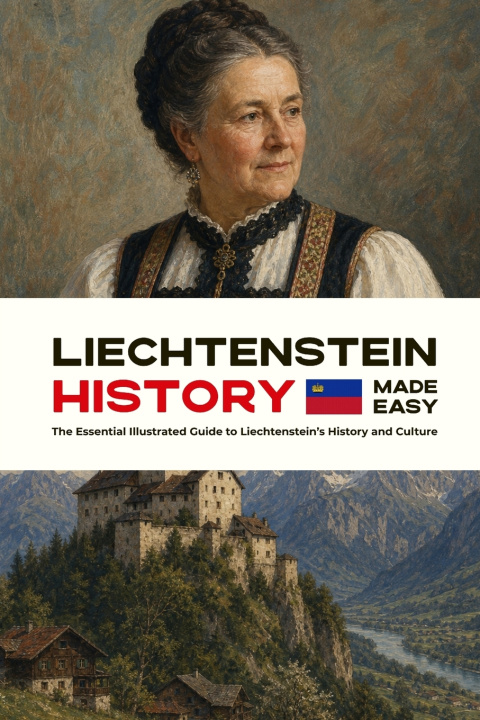
A tiny Alpine principality built its independence through dynastic patience, a customs union, a banking reputation, and an unusually assertive political culture. Roman traces and Rhine Valley communities lead to Vaduz and Schellenberg, the principality's creation in 1719, the 1927 flood, cooperation with Switzerland, industrial growth, women's suffrage, referendums, and the constitutional power of the prince.
Did You Know?
- Did you know Liechtenstein became a principality in 1719 through the ambitions of the House of Liechtenstein?
- Did you know the country's modern territory joined Vaduz and Schellenberg only after dynastic decisions?
- Did you know Liechtenstein has had no standing army since the nineteenth century?
- Did you know a catastrophic Rhine flood in 1927 reshaped the country's relationship with Switzerland?
- Did you know Liechtenstein entered a customs and monetary union with Switzerland in 1924?
- Did you know women gained the vote only in 1984, after repeated local referendums?
What This Book Includes
- Vaduz, Schellenberg, the 1927 flood, Swiss ties, industry, and suffrage charting the principality's route to modern prosperity.
- Dynasty, village life, constitutional change, industry, finance, and identity.
- Customs, currency, diplomacy, and constitutional power used to show how the microstate preserved room to maneuver.
- Context for the prince's constitutional role and the country's direct democracy.