Könyv Origins of Visual Culture in the Islamic World ALAMI MOHAMMED HAMDO

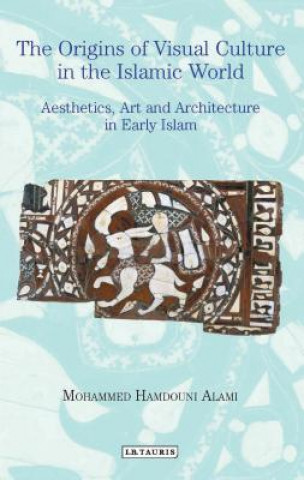
Origins of Visual Culture in the Islamic World

Aesthetics, Art and Architecture in Early Islam

Nyelv: Angol
Kötés: Kemény kötésű
Elérhetőség: Beszállítói készleten
Küldés 14-21 napon belül
63 479 Ft
In tenth-century Iraq, a group of Arab intellectuals and scholars known as the Ikhwan al-Safa began...


Információk a könyvről

Nyelv
Angol
Kötés
Könyv - Kemény kötésű
Kiadva
2015
oldal
200
EAN
9781784530402
ISBN
9781784530402
Enbook ID
06667060
Súly
382
Méretek
223 x 150 x 24

Teljes leírás

In tenth-century Iraq, a group of Arab intellectuals and scholars known as the Ikhwan al-Safa began to make their intellectual mark on the society around them. A mysterious organisation, the identities of its members have never been clear. But its contribution to the intellectual thought, philosophy, art and culture of the era - and indeed subsequent ones - is evident. In the visual arts, for example, Hamdouni Alami argues that the theory of human proportions which the Ikwan al-Safa propounded (something very similar to those of da Vinci), helped shape the evolution of the philosophy of aesthetics, art and architecture in the tenth and eleventh centuries CE, in particular in Egypt under the Fatimid rulers. With its roots in Pythagorean and Neoplatonic views on the role of art and architecture, the impact of this theory of specific and precise proportion was widespread. One of the results of this extensive influence is a historic shift in the appreciation of art and architecture and their perceived role in the cultural sphere. The development of the understanding of the interplay between ethics and aesthetics resulted in a movement which emphasised more abstract and pious contemplation of art, as opposed to previous views which concentrated on the enjoyment of artistic works (such as music, song and poetry). And it is with this shift that we see the change in art forms from those devoted to supporting the Umayyad caliphs and the opulence of the Abbasids, to an art which places more emphasis on the internal concepts of 'reason' and 'spirituality'.Using the example of Fatimid art and views of architecture (including the first Fatimid mosque in al-Mahdiyya, Tunisia), Hamdouni Alami offers analysis of the debates surrounding the ethics and aesthetics of the appreciation of Islamic art and architecture from a vital time in medieval Middle Eastern history, and shows their similarity with aesthetic debates of Italian Renaissance.
Érdekelheti

5 789 Ft

Conflicted Memory

Cynthia E. Milton
35 338 Ft

Love.com

Rw Bennett
5 414 Ft

Kalevala

L NNROT
12 582 Ft
4 034 Ft

'Twas

Aimee Hughes
2 976 Ft

Carving

Judith K White
7 399 Ft

Insects and Society

Timothy D. Schowalter
31 434 Ft
19 693 Ft
4 207 Ft

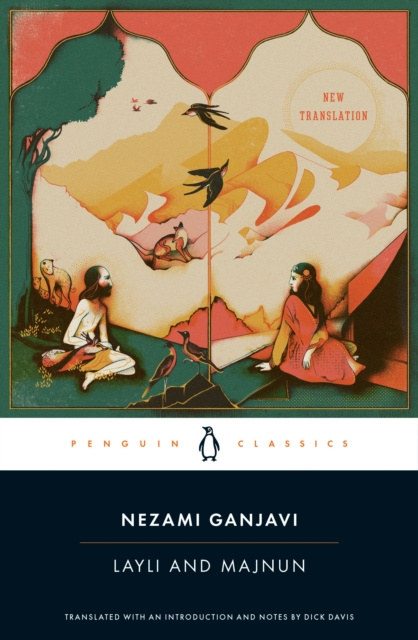
Layli and Majnun

Nezami Ganjavi
4 717 Ft

SOMETHING EPIC V01

KUDRANSKI SZYMON
5 471 Ft
27 328 Ft

Azok a vásárlók, akik ezt a könyvet megvásárolták, a következőket is megvásárolták

6 226 Ft
12 323 Ft

Kozoroh

Wolfgang Döbereiner
2 726 Ft
2 726 Ft
3 991 Ft

Aprende a estudiar

Dereck Rowntree
5 832 Ft
4 515 Ft
5 005 Ft