Children are not simply small adults. Their bodies respond differently to illness, injury, pain, dehydration, infection, trauma, and shock. In emergency situations, every second matters, and the ability to recognize warning signs early can make a major difference in the outcome of care.
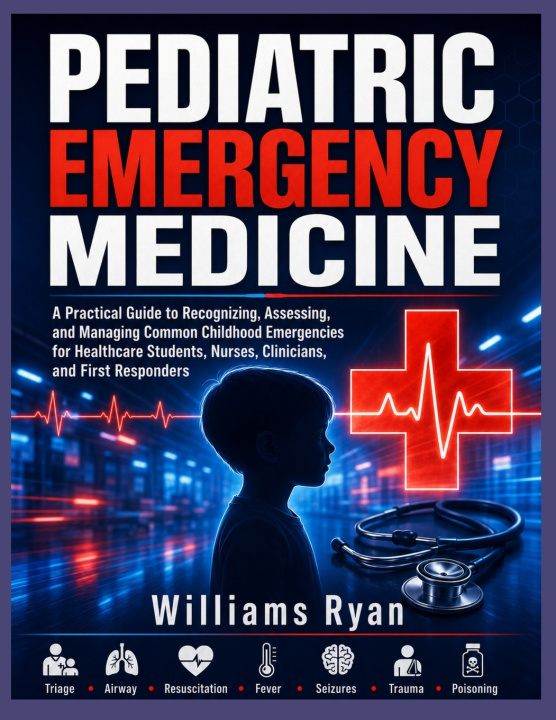
Pediatric Emergency Medicine is a clear, practical, and well-structured guide designed to help healthcare students, nurses, junior doctors, emergency responders, caregivers in clinical settings, and medical trainees understand the essential principles of emergency care for infants, children, and adolescents.
This book explains pediatric emergencies in a simple but professional manner, making complex medical topics easier to understand without losing clinical importance. It covers the foundations of pediatric assessment, common emergency presentations, urgent warning signs, and the key steps involved in stabilizing a sick or injured child before further treatment or referral.
Inside this guide, readers will learn how to approach pediatric patients with confidence, how to identify life-threatening symptoms, and how to respond calmly in high-pressure situations. The book explores important topics such as respiratory distress, fever, seizures, dehydration, trauma, poisoning, allergic reactions, burns, shock, infections, abdominal emergencies, and other urgent childhood conditions commonly seen in emergency departments and clinical practice.
Unlike general emergency medicine texts, this book focuses specifically on children, highlighting the differences between pediatric and adult care. It discusses age-based assessment, communication with parents and caregivers, pediatric vital signs, fluid considerations, medication safety awareness, and the emotional challenges involved in managing sick children.
Whether you are preparing for exams, strengthening your clinical knowledge, working in a hospital environment, or building a foundation in child emergency care, this book gives you a practical starting point. It is written to support learning, revision, and real-world understanding.
This book will help readers understand:
- How to assess a child in an emergency situation
- Common signs of pediatric deterioration
- The importance of airway, breathing, and circulation in children
- Emergency management principles for common pediatric conditions
- How to recognize red flags that require urgent medical attention
- The role of communication, teamwork, and rapid decision-making in pediatric care
- Why early intervention is critical in childhood emergencies
Pediatric emergencies can be stressful, unpredictable, and emotionally demanding. However, with the right knowledge and structured approach, healthcare workers and students can become more confident in recognizing danger signs and supporting timely care.
Pediatric Emergency Medicine is an essential introductory guide for anyone who wants to better understand emergency care for children and improve their confidence in pediatric clinical situations.
This book is intended for educational purposes and should not replace professional medical training, institutional protocols, or emergency medical advice.