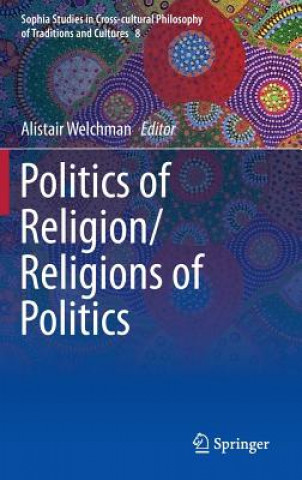
The liberal Enlightenment and the more radical left have both traditionally opposed religion as a reactionary force in political life, a view culminating in the all-too-familiar identification of the politics of religion with fanaticism, fundamentalism and theocracy. But recently a number of thinkers Agamben, Badiou and Taubes, Critchley have begun to explore a productive engagement of the political and the religious that speaks to it as a possible, or indeed necessary, form of human emancipation. Starting from Critchley s own contribution on the genealogy of Pauline faith, the articles in this collection explore and defend some of the varieties of the religions of politics, addressing the significance of disappointment for philosophy itself (Bowery), Critchley s substitution of humor rather than the bite of conscience as a means for the self-distancing required for any ethics (Bradatan), Levinas s philosophical religiosity for human rights (Stauffer) and anarchist politics today (Lewis), the viability of political ontology (Welchman), the subtle dialectic between mores and morality in Rousseau s political ethics (O Byrne), the liberal tradition exemplified by Arendt (Champagne), a critique of Critchley s ethics of exposure (Panagia), Critchley s own mystical anarchism (Quadrio) and the possible repression of the political in Critchley s own calls for (religious) re-enchantment (Chanter).