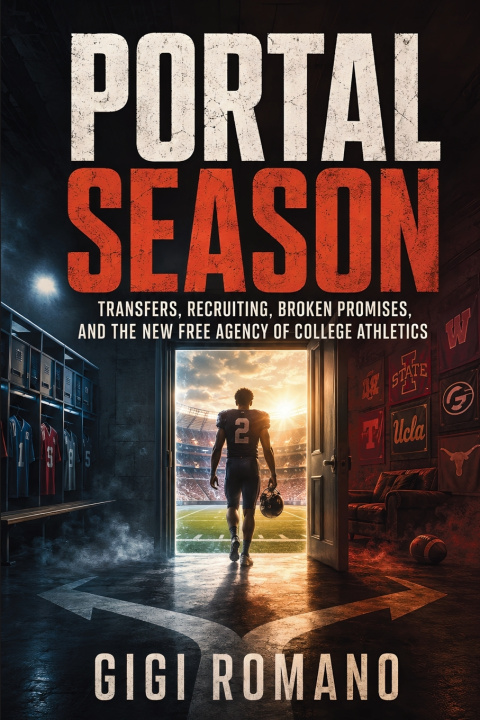
College athletics once treated commitment as permanent, even when coaches departed, promises changed and opportunities disappeared. The transfer portal overturned that arrangement.
Portal Season traces the factual rise of athlete mobility from the restrictive transfer system of the past to the fast-moving national marketplace of the present. It explains how immediate eligibility, pandemic-era extensions, name, image and likeness compensation, donor-backed collectives, direct institutional payments and new roster limits transformed recruiting across American college sport.
The book follows the consequences throughout the system. High-school prospects now compete against experienced transfers. Junior colleges face a new source of mature talent. Coaches rebuild basketball teams in weeks and search constantly for proven quarterbacks. Athletes negotiate scholarships, commercial agreements and institutional compensation while trying to protect academic credits and eligibility.
For every transfer who becomes a national star, others enter without a guaranteed destination. Some lose roster places, financial security or progress towards a degree. Recruiting assurances can disappear after coaching changes, while agents, advisers and collectives add new layers of influence to decisions once handled mainly by athletes and their families.
Drawing on documented rules, official records and established cases, Portal Season examines what modern free agency has brought to college athletics: greater freedom, unprecedented opportunity, financial recognition, relentless recruiting and profound instability.
The first choice still matters.
It is simply no longer final.
Disclaimer: This is an independent, unauthorised work of sports history and commentary. It is not sponsored, endorsed, licensed or approved by the National Collegiate Athletic Association, the College Sports Commission, any athletic conference, educational institution, professional league, team, collective or other organisation mentioned in the text. All institutional names, team names, conference names, league names, logos and related trademarks are the property of their respective owners and are referenced solely for factual, historical and identification purposes. No affiliation or endorsement is implied. The book is intended for general informational purposes and does not constitute legal, financial, tax, academic-eligibility or professional representation advice.