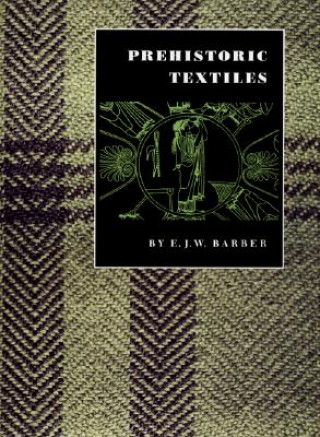
Könyv Prehistoric Textiles Elizabeth Wayland Barber

Prehistoric Textiles

The Development of Cloth in the Neolithic and Bronze Ages with Special Reference to the Aegean

Nyelv: Angol
Kötés: Puha kötésű
Elérhetőség: Beszállítói készleten
Küldés 14-21 napon belül
33 600 Ft
This pioneering work revises our notions of the origins and early development of textiles in Europe...


Információk a könyvről

Nyelv
Angol
Kötés
Könyv - Puha kötésű
Kiadva
1993
oldal
512
EAN
9780691002248
ISBN
069100224X
Enbook ID
04639102
Súly
930
Méretek
185 x 242 x 34

Teljes leírás

This pioneering work revises our notions of the origins and early development of textiles in Europe and the Near East. Using innovative linguistic techniques, along with methods from palaeobiology and other fields, it shows that spinning and pattern weaving began far earlier than has been supposed. "Prehistoric Textiles" made an unsurpassed leap in the social and cultural understanding of textiles in humankind's early history. Cloth making was an industry that consumed more time and effort, and was more culturally significant to prehistoric cultures, than anyone assumed before the book's publication. The textile industry is in fact older than pottery - and perhaps even older than agriculture and stockbreeding. It probably consumed far more hours of labor per year, in temperate climates, than did pottery and food production put together. And this work was done primarily by women. Up until the Industrial Revolution, and into this century in many peasant societies, women spent every available moment spinning, weaving, and sewing. The author, Elizabeth Wayland Barber, demonstrates command of an almost unbelievably disparate array of disciplines - from historical linguistics to archaeology and paleobiology, from art history to the practical art of weaving. Her passionate interest in the subject matter leaps out on every page. Barber, a professor of linguistics and archaeology, developed expert sewing and weaving skills as a small girl under her mother's tutelage. One could say she had been born and raised to write this book. Because modern textiles are almost entirely made by machines, we have difficulty appreciating how time-consuming and important the premodern textile industry was. This book opens our eyes to this crucial area of prehistoric human culture.

Érdekelheti

Hell's Cartel

Diarmuid Jeffreys
7 594 Ft

Circular Economy in Textiles and Apparel

Subramanian Senthilkannan Muthu
85 496 Ft

Solvay

Kenneth Bertrams
25 744 Ft

Troubled Blood

Robert Galbraith
4 257 Ft

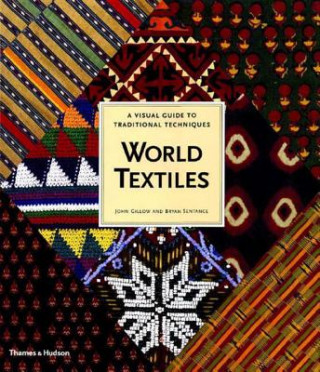
World Textiles

John Gillow
14 872 Ft

On Weaving

Anni Albers
18 949 Ft
34 827 Ft
7 957 Ft

Textilepedia

Fashionary
13 253 Ft

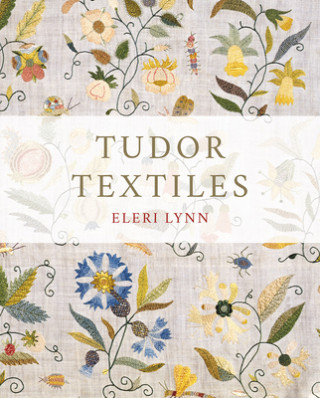
Tudor Textiles

Eleri Lynn
22 682 Ft

Story of Textiles

Perry 1865- Walton
13 819 Ft

Dutch Republic

Jonathan Israel
36 942 Ft
13 543 Ft

Lizzy Loves Darcy

Thomas W. Cushing
7 553 Ft

Beth Chatto's Green Tapestry Revisited

Beth (Beth Chatto's Garden) Chatto
11 240 Ft
5 687 Ft
23 910 Ft

Bread Book

Jennifer Latham
11 005 Ft

Dinosaurs

David E. (University of Rhode Island) Fastovsky
25 569 Ft