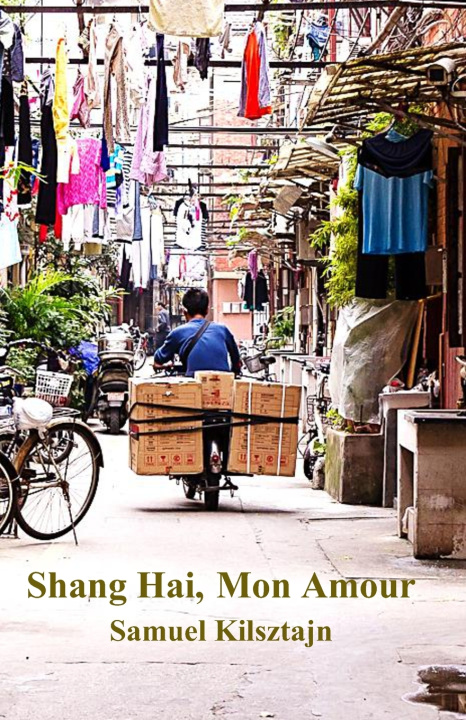
Shang Hai, mon amour brings together essays from 1987 to 2026 - a period during which the city underwent profound transformations. My description of China in 1987 drew attention primarily due to the poverty that prevailed at the time. At the turn of the millennium, a bulldozer swept over Shanghai, and the city was completely rebuilt. Today, the country commands attention for its wealth and modernity, and for having assumed the hegemony of international capitalism. When adjusted for the domestic cost of living, China is already the world's largest economy - 40% larger than that of the United States.
China has become the planet's leading nation deepening its social stratification. A abyss has opened up between, on one side, the powerful elite and the vast middle class, and on the other, the rural population and the immense contingent of migrants living in cities as second-class citizens - subject to low-paying jobs, restricted labor and social rights regarding housing, healthcare, education, etc., and a complete lack of political rights.