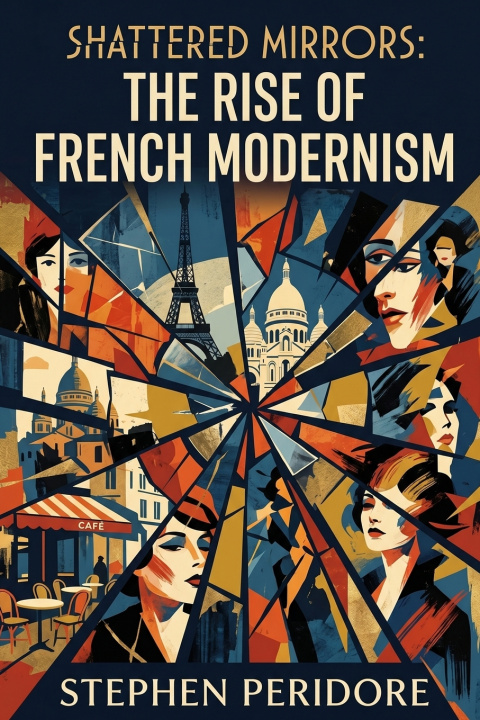
This book explores the explosive transformation of human perception in early 20th-century Paris. Tracing the period from 1905 to the shadow of World War II, it details how artists like Picasso, Matisse, and Dalí, along with writers like Proust and Stein, rejected traditional realism. The book argues that these visionaries 'broke the mirror' of academic representation to reflect a reality that was multiple, fractured, and deeply influenced by the unconscious. From the savage colors of the Fauves to the geometric analysis of Cubism and the dream-logic of the Surrealists, the text offers a comprehensive map of the movements that redefined modernity. It positions Paris not just as a backdrop, but as a pressure cooker of cross-pollination where visual art, literature, and psychology collided. Ultimately, the work serves as both a history and a toolkit, inviting readers to apply these radical modernist principles-such as the 'marvellous' and involuntary memory-to their own understanding of the contemporary world.