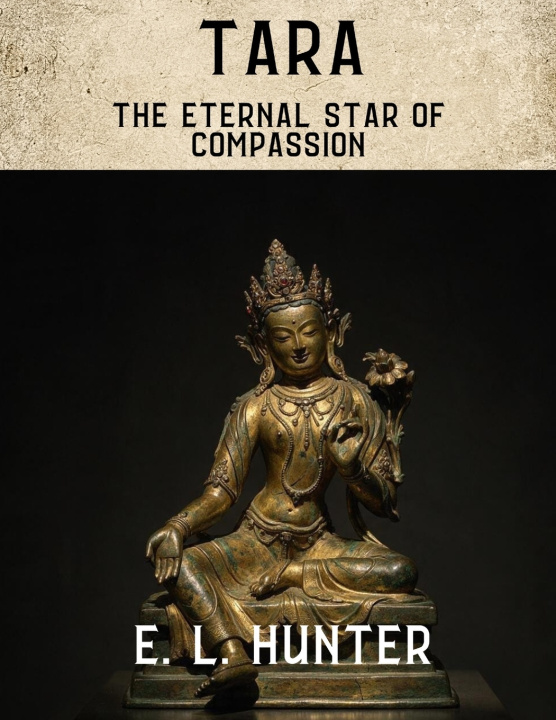
Tara is the busiest goddess in Buddhism. She was born, so the story goes, from a god's tears, and she's been rushing to the rescue ever since.
Her name means star. It also means the one who gets you across the river, which tells you the kind of trouble she was made for: the crossing you might not survive. For a thousand years she's been the deity you call when there's no time for the slow road to enlightenment.
The book follows her a long way, and she keeps changing shape as it goes. She's a minor figure in medieval India, then becomes one of the most invoked deities in all of Tibet. On Java there was once a bronze Tara nearly four metres tall, and it has since vanished. Now she surfaces on wellness apps and in AI art, floating free of the Buddhism that made her. And across the whole journey one question sits that the devotional books tend to skip: how did a religion that kept its own nuns firmly in second place come to worship a female buddha who vowed to reach enlightenment as a woman and stay one?
E.L. Hunter trained as an archaeologist and has little patience for the tidy version. Expect the evidence, and the holes in it, and not much reverence. Tara comes when called. She's never been short of frightened people in a hurry, which may be the only part of her story that hasn't changed.