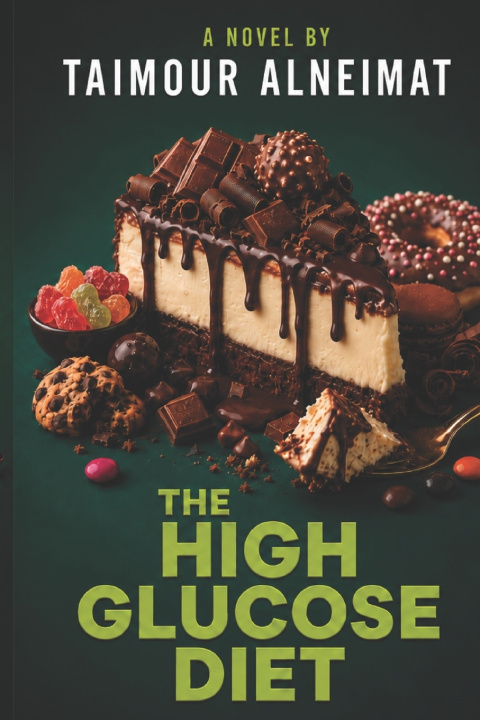
Every diet book you have ever read used the same architecture. A villain. A mechanism. A civilization. Testimonials. Confidence. Dana Lyle knows this. She read forty-seven of them.
Then she built one. Dana runs a newsletter about patterns in complex systems. She spots the same repeating structure across every contradictory nutrition bestseller on her shelf: different enemies, same machinery, same confidence, opposite conclusions. She decides to run an experiment: build the one dietary argument nobody has made. For the one molecule every camp unanimously condemns. Sugar. Not to promote it. To prove that the machine works on anyone.
Part I of this novel is that argument. Evidence-based, carefully sourced, deliberately constructed. Read it as the diet book it presents itself to be.
Part II is what happened when she released it.
Ten thousand people followed the protocol. An investigative journalist found the cached version of a post Dana deleted, the one where she'd left a note: This is the experiment: can the argument be made convincing? Test continues. A twenty-two-year-old named Caroline found the community looking for permission to eat. A folder called Later sat on Dana's desktop, filling with every honest qualification she had chosen not to publish, and every reason the right moment kept receding.
The machine doesn't need a liar.
It only needs someone who learned to run it.
The High Glucose Diet, a novel about wellness culture, the diet industry, and the loss of control over an idea.