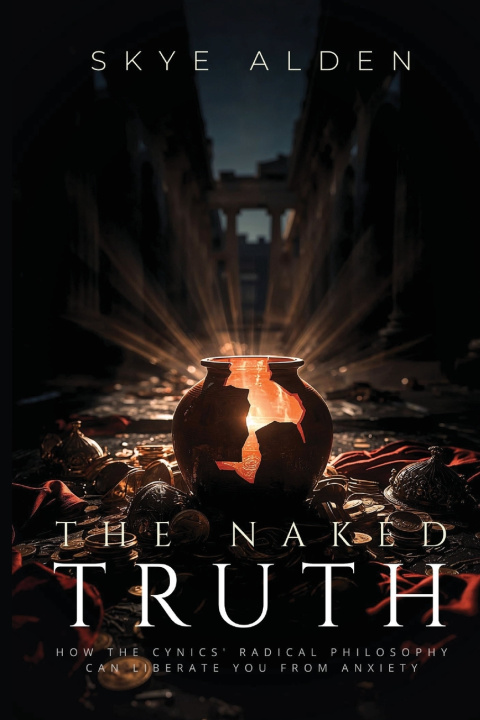
Diogenes of Sinope was a philosopher who lived in the bustling marketplace of Athens, enduring the scorching sun. He lived in a large ceramic jar and owned nothing. Despite his humble circumstances, Diogenes was fearless, even in the presence of the mighty conqueror, Alexander the Great. When Alexander offered him one wish, Diogenes simply requested, "Move out of my sunlight." This exchange revealed the essence of true freedom-the ability to desire nothing from the world around you.
"The Naked Truth" compiles the sharp, unfiltered voice of Cynicism, an ancient Greek philosophy that rejected wealth, status, comfort, and societal conventions. Cynicism originated with Antisthenes, a follower of Socrates, and was popularized by Diogenes. It transcended mere theory to become a lived experience-a conscious choice to break free from desires, social expectations, and opinions by embracing a life of natural simplicity, endurance, and honest speech.
This book presents the most striking sayings, stories, and ideas from the Cynics themselves, as close to their original form as possible. These are accompanied by clear, modern reflections that demonstrate how this philosophy still resonates today. The Cynics urge us to relinquish false needs, discern through societal deceptions, and reclaim our freedom in a world that idolizes accumulation and approval.
This collection captures the spirit of a life that challenges everything, including Diogenes's open search for an honest man, Hipparchia's defense of philosophy against the pressures of domestic life, and Crates's embrace of poverty. The Cynics firmly believed that true happiness stems solely from virtue. What if flourishing means desiring less, not more?
For those seeking timeless wisdom, a profound exploration of modern waste, or the courage to live by their own principles, this book offers a firsthand look at one of history's most audacious and liberating philosophies. In an era of distraction and dependency, the Cynics challenge us to step away from our comfort zones and see what remains.