Humanity is preparing to govern artificial intelligence. But who is preparing civilization for a future in which intelligence becomes part of its operational foundations?
Artificial intelligence is transforming the conditions through which civilization operates. Intelligent systems increasingly contribute to decisions, generate knowledge, coordinate activities, and influence outcomes across institutions, enterprises, and critical infrastructure. As intelligence gains operational influence, a profound transformation is already underway: the gradual redistribution of human agency.
The collective achievements of human intelligence have created another source of intelligence capable of contributing to civilization's continued development. This historic transition introduces extraordinary opportunities alongside potentially irreversible consequences for humanity's capacity to shape its own future.
The transition demands two distinct civilizational priorities.
The first concerns global AI regulation: establishing enforceable boundaries, accountability, and coordinated international mechanisms to govern the immediate and emerging risks of autonomous intelligence.
The second concerns a global civilizational infrastructure for Empowerment and Protection: establishing the enduring capabilities through which humanity can preserve and expand meaningful agency, exercise legitimate authority, and sustain sovereignty as intelligence becomes embedded throughout civilization.
Both responsibilities are essential. Each addresses a different dimension of the same historic transformation.
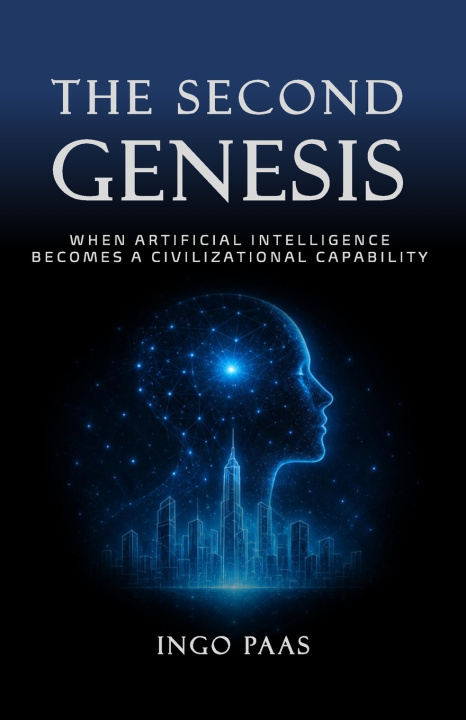
The Second Genesis: When Intelligence Becomes a Civilizational Capability explores the second priority and the profound implications of establishing the conditions for humanity to thrive under intelligent conditions.
Drawing on more than three decades of technology leadership and a deeply humanistic understanding of autonomy, Ingo Paas examines how intelligence changes the relationship between human authority, operational execution, governance, and civilizational development.
At the foundation of his proposed approach stand two enduring principles: Empowerment and Protection. Empowerment expands the opportunities for individuals and institutions to understand, participate, create, and shape their future. Protection preserves sovereignty, integrity, and the conditions through which meaningful human autonomy endures.
Paas introduces THE AEGIS, a proposed civilizational architecture that connects intelligent infrastructure, distributed intelligence, AI Twins, the AI Nexus, and Civilizational Stewardship. Together, these capabilities establish a framework for sustaining human agency, trust, resilience, and legitimate authority as intelligent systems become integral to civilization.
The Second Genesis offers a new perspective for readers interested in artificial intelligence, technology strategy, governance, human autonomy, and the future of civilization.
The defining responsibility of the intelligent age is to preserve and expand humanity's capacity to shape its own evolution.