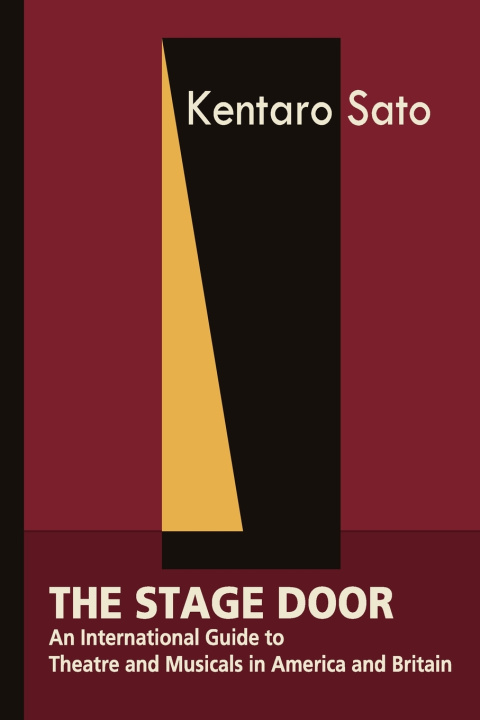
Theatre is more than what happens under the lights.
Most people enter a theatre through the front door: the lobby, the ticket, the seat, the curtain, the applause. But theatre also has another entrance-the stage door. Behind it are schools, community companies, amateur societies, drama schools, rehearsal rooms, licensing offices, stage managers, designers, musicians, technicians, ushers, unions, volunteers, and audiences who keep live performance alive.
The Stage Door is an accessible international guide to theatre and musicals in America and Britain. Written especially for readers who did not necessarily grow up inside English-speaking theatre culture, it explains how theatre begins, how people learn it, how professional systems work, why musicals sing, and how backstage labor makes performance possible.
The book moves from school productions and community theatre to Broadway, Off-Broadway, the West End, subsidized theatre, regional stages, tours, fringe performance, and pantomime. It also explains the working language of musicals-songs of desire, reprises, ensemble numbers, dance, underscoring, and the structure of book, music, and lyrics-before turning to the backstage machine of stage managers, cue calling, understudies, swings, sound, lighting, and front-of-house work.
This is not a guide for pretending to be an insider. It is a clear map for entering theatre culture with confidence.
Readers will learn:
- how school, community, amateur, and professional theatre connect
- how Broadway and the West End differ from the wider theatre systems around them
- why musicals use song, dance, reprise, and ensemble as forms of storytelling
- what stage managers, designers, technicians, musicians, and front-of-house staff actually do
- how to read a program or Playbill as a map of labor
- how to attend, understand, and enter theatre without needing prior insider knowledge
Based on audio-course materials originally developed for non-native English speakers studying English-language culture, the book is written to be clear when read and intelligible when heard. It treats theatre not as a sealed professional world, but as a living cultural ecosystem: local, practical, collaborative, historical, and still dependent on the simple act of people gathering together in real time.
The front door lets you watch.
The stage door shows how the performance is made.