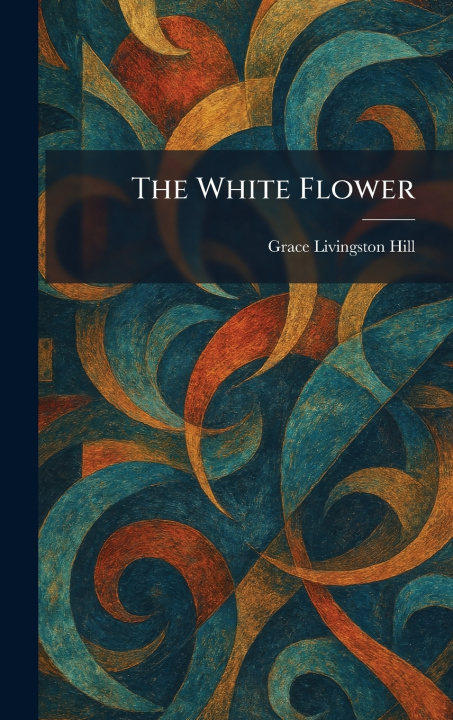
"The White Flower" is a compelling tale of faith, peril, and romance that follows the journey of Rachel Rainsford. After accepting a job offer in Chicago, Rachel discovers she has been lured into a dangerous trap by unscrupulous individuals. Her innocence and virtue are put to the test as she navigates a world of deception far from the safety of her home. Her path crosses with Chan Prescott, a young man whose honor and quick thinking provide a desperate means of escape.
As the two flee from those who mean Rachel harm, they embark on an adventure that leads them across the country, testing their resolve and deepening their mutual respect. Written by the beloved author Grace Livingston Hill, this novel exemplifies her signature style of combining high-stakes suspense with a steadfast commitment to moral integrity. "The White Flower" serves as an inspiring exploration of the power of prayer and the importance of remaining true to one's convictions in the face of adversity. This classic work of inspirational fiction continues to resonate with readers who appreciate wholesome storytelling and the triumph of light over darkness.
This work has been selected by scholars as being culturally important, and is part of the knowledge base of civilization as we know it. This work was reproduced from the original artifact, and remains as true to the original work as possible. Therefore, you may see the original copyright references, library stamps (as most of these works have been housed in our most important libraries around the world), and other notations in the work.
This work is in the public domain in the United States of America, and possibly other nations. Within the United States, you may freely copy and distribute this work, as no entity (individual or corporate) has a copyright on the body of the work.
As a reproduction of a historical artifact, this work may contain missing or blurred pages, poor pictures, errant marks, etc. Scholars believe, and we concur, that this work is important enough to be preserved, reproduced, and made generally available to the public. We appreciate your support of the preservation process, and thank you for being an important part of keeping this knowledge alive and relevant.