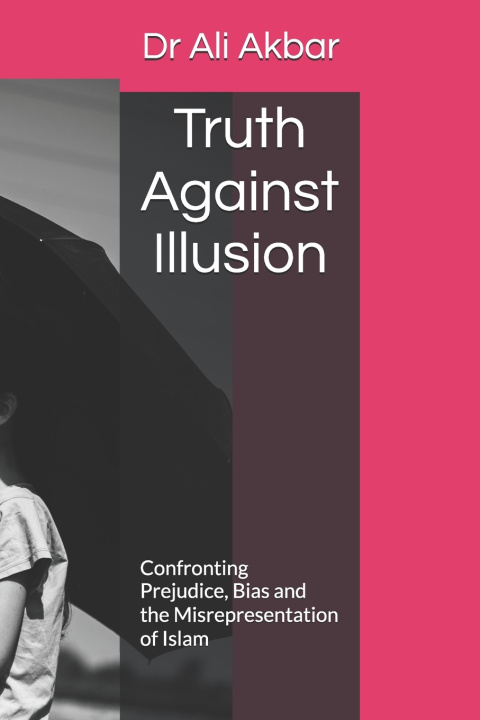
This book critically examines claims that associate grooming gangs with Islam by revealing the underlying biased assumptions, selective interpretations, and racialised narratives. It demonstrates that Islamic teachings explicitly condemn coercion and exploitation, and it underscores the ongoing efforts of Muslim communities to safeguard vulnerable individuals. The book contends that effective safeguarding must address structural factors such as poverty, institutional shortcomings, and local power relations, rather than relying on reductive ethnic or religious explanations. While recognising the experiences of victims and the reality of harm, it refutes the assertion that Islam is a causal factor, and advocates for more accurate, context-based, and non-prejudicial approaches to understanding and addressing child sexual exploitation.