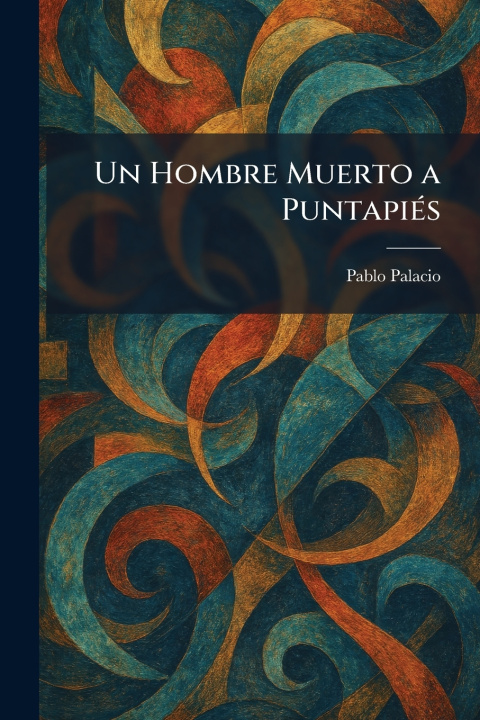
"Un Hombre Muerto a Puntapiés" es una obra fundamental de la narrativa latinoamericana que marcó un antes y un después en la literatura ecuatoriana. Esta colección de relatos de Pablo Palacio se aleja del realismo social imperante en su época para adentrarse en los terrenos del vanguardismo, lo absurdo y lo grotesco.
El cuento que da tÃtulo al libro presenta a un narrador que, motivado por una curiosidad casi obsesiva, intenta reconstruir los motivos detrás de un crimen violento reportado en la prensa. A través de este y otros relatos, el autor explora la psicologÃa de personajes marginados, la alienación urbana y la fragilidad de la moralidad social con una ironÃa punzante y un estilo experimental único. Los textos incluidos desafÃan al lector con su estructura fragmentaria y su capacidad para hallar significado en lo sórdido y lo cotidiano.
Considerada una pieza clave del vanguardismo hispanoamericano, "Un Hombre Muerto a Puntapiés" destaca por su modernidad y su visión crÃtica de la realidad, consolidando a su creador como uno de los autores más innovadores y audaces del siglo XX.
This work has been selected by scholars as being culturally important, and is part of the knowledge base of civilization as we know it. This work was reproduced from the original artifact, and remains as true to the original work as possible. Therefore, you may see the original copyright references, library stamps (as most of these works have been housed in our most important libraries around the world), and other notations in the work.
This work is in the public domain in the United States of America, and possibly other nations. Within the United States, you may freely copy and distribute this work, as no entity (individual or corporate) has a copyright on the body of the work.
As a reproduction of a historical artifact, this work may contain missing or blurred pages, poor pictures, errant marks, etc. Scholars believe, and we concur, that this work is important enough to be preserved, reproduced, and made generally available to the public. We appreciate your support of the preservation process, and thank you for being an important part of keeping this knowledge alive and relevant.