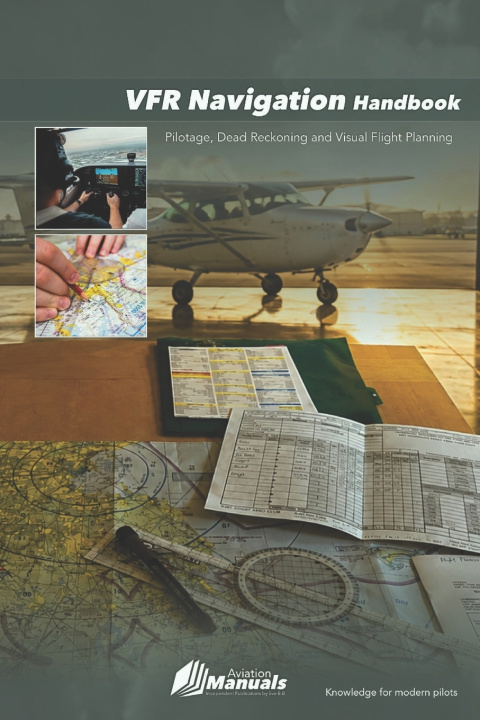
Every professional pilot began with visual navigation. Before advanced avionics, flight management computers and satellite navigation became commonplace, pilots learned to navigate by combining careful planning with observation, timing and sound aeronautical judgment. Those skills remain an essential part of flight training and continue to strengthen situational awareness throughout a pilot's career. This manual presents the principles and techniques of VFR navigation in a practical, progressive format. From route planning and chart interpretation to pilotage, dead reckoning and in-flight decision making, each chapter has been designed to build the confidence required for successful visual navigation while reinforcing the foundations of professional airmanship. Technology continues to evolve, but pilots who understand visual navigation will always possess one of aviation's most valuable skills.