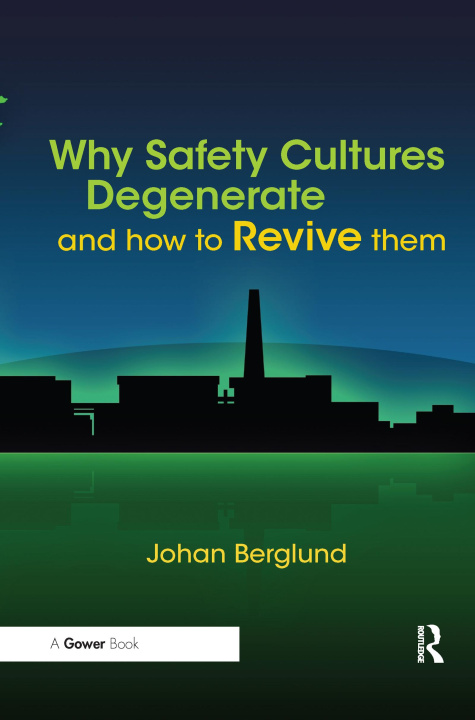
Könyv Why Safety Cultures Degenerate Johan Berglund

Why Safety Cultures Degenerate

And How To Revive Them

Szerző: Johan Berglund
Nyelv: Angol
Kötés: Puha kötésű
Elérhetőség: 50 % esély
Keressük az egész világon
18 388 Ft
From Chernobyl to Fukushima, have we come full circle, where formalisation has replaced ambiguity an...

Információk a könyvről

Szerző
Nyelv
Angol
Kötés
Könyv - Puha kötésű
Kiadva
2020
oldal
98
EAN
9780367606015
ISBN
0367606011
Enbook ID
32905270
Súly
178
Méretek
234 x 154 x 10

Teljes leírás

From Chernobyl to Fukushima, have we come full circle, where formalisation has replaced ambiguity and a decadent style of management, to the point where it is becoming counter-productive? Safety culture is a contested concept and a complex phenomenon, which has been much debated in recent years. In some high-risk activities, like the operating of nuclear power plants, transparency, traceability and standardisation have become synonymous with issues of quality. Meanwhile, the experience-based knowledge that forms the basis of manuals and instructions is liable to decline. In the long-term, arguably, it is the cultural changes and its adverse impacts on co-operation, skill and ability of judgement that will pose the greater risks to the safety of nuclear plants and other high-risk facilities. Johan Berglund examines the background leading up to the Fukushima Daiichi accident in 2011 and highlights the function of practical proficiency in the quality and safety of high-risk activities. The accumulation of skill represents a more indirect and long-term approach to quality, oriented not towards short-term gains but (towards) delayed gratification. Risk management and quality professionals and academics will be interested in the links between skill, quality and safety-critical work as well as those interested in a unique insight into Japanese culture and working life as well as fresh perspectives on safety culture.

Érdekelheti

Azok a vásárlók, akik ezt a könyvet megvásárolták, a következőket is megvásárolták