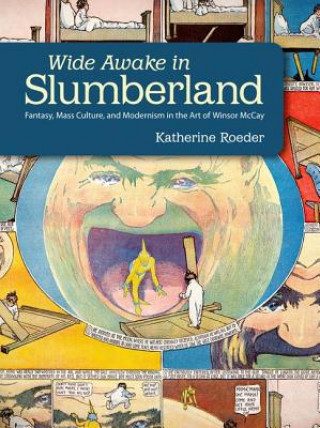
This is the first study to place this genius of modern comics creation in an art history context. Cartoonist Winsor McCay (1869-1934) is rightfully celebrated for the skilful draftsman ship and inventive design sense he displayed in the comic strips Little Nemo in Slumberland and Dream of the Rarebit Fiend. McCay crafted narratives of anticipation, abundance, and unfulfilled longing. This book explores McCay's interest in dream imagery in relation to the larger preoccupation with fantasy that dominated the popular culture of early 20th-century urban America. McCay's role as a pioneer of early comics has been well documented, yet no existing study approaches him and his work from an art history perspective, giving close readings of individual artworks while situating his output within the larger visual culture and the rise of modernism. Wide Awake in Slumberland connects McCay's work to relevant children's literature, advertising, architecture, and motion pictures in order to demonstrate the artist's sophisticated blending and remixing of multiple forms from mass culture. Readings of McCay's drawings and the eighty-one black and white and colour illustrations reveal a man who was both a ready participant and an incisive critic of the rising culture of fantasy and consumerism.