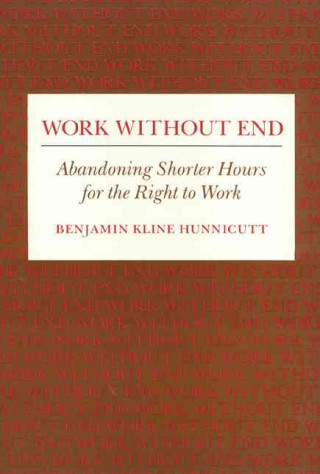
Könyv Work without End Benjamin Kline Hunnicutt

Work without End

Abandoning Shorter Hours for the Right to Work

Nyelv: Angol
Kötés: Kemény kötésű
Elérhetőség: 50 % esély
Keressük az egész világon
26 698 Ft
For more than a century preceding the Great Depression, work hours were steadily reduced. Intellectu...

Információk a könyvről

Nyelv
Angol
Kötés
Könyv - Kemény kötésű
Kiadva
1988
oldal
416
EAN
9780877225201
Enbook ID
04946265
Súly
748
Méretek
159 x 235

Teljes leírás

For more than a century preceding the Great Depression, work hours were steadily reduced. Intellectuals, labor leaders, politicians, and workers saw this reduction in work as authentic progress and the resulting increase in leisure time as a cultural advance. Benjamin Hunnicutt examines the period from 1920 to 1940 during which the shorter hour movement ended and the drive for economic expansion through increased work took over. He traces the political, intellectual, and social dialogues that changed the American concept of progress from dreams of more leisure in which to pursue the higher things in life to an obsession with the importance of work and wage-earning.During the 1920s with the development of advertising, the "gospel of consumption" began to replace the goal of leisure time with a list of things to buy. Business, which increasingly viewed shorter hours as a threat to economic growth, persuaded the worker that more work brought more tangible rewards. The Great Depression shook the newly proclaimed gospel as well as everyone's faith in progress.Although work-sharing became a temporary solution to the shortage of jobs and massive unemployment, when faced with legislation that would limit the work week to thirty hours, Roosevelt and his New Deal advisors adopted the gospel of consumption's tests for progress and created more work by government action. The New Deal campaigned for the right to work a full time job and won. Benjamin Kline Hunnicutt is Professor of Leisure Studies at the University of Iowa.

Érdekelheti